‘Death Becomes Her’ is Closing Because Broadway Built a Fragile Business Model
by Chris Peterson
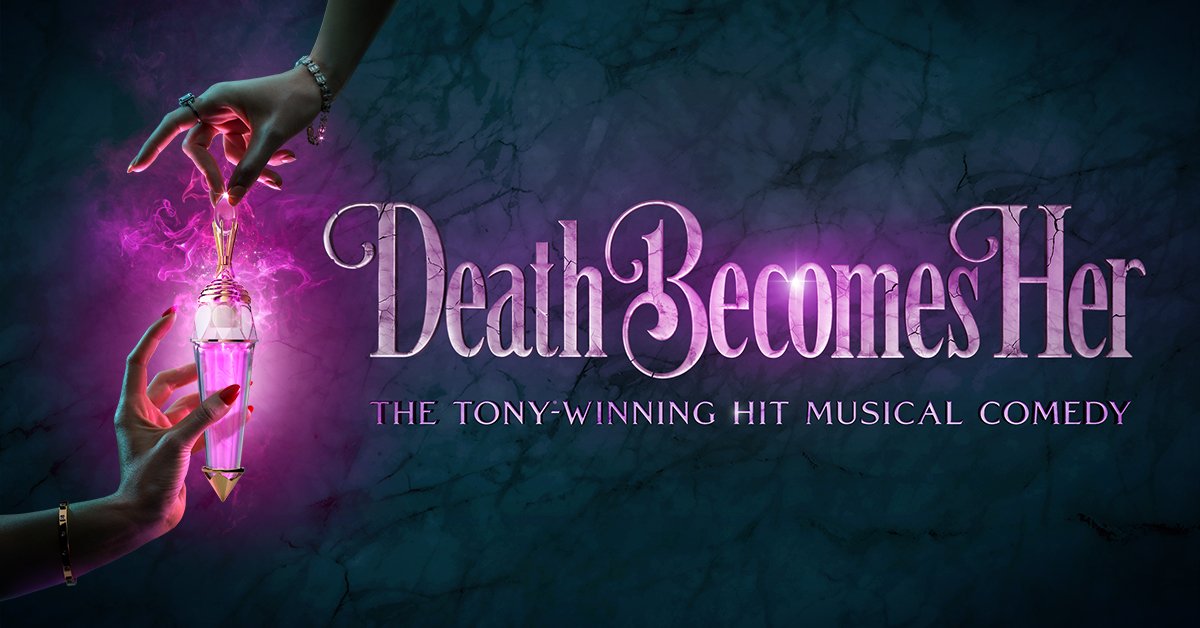
I’m angry that Death Becomes Her is closing.
Because this was not a flop. It opened in November 2024 to rave reviews, earned 10 Tony nominations, became a genuine viral sensation online, and sold more than 900,000 tickets during its run.
Critics were overwhelmingly on its side. The Guardian called it “a rousing, raucously entertaining hit” and predicted it looked like “the kind of big, box-ticking blockbuster that one can see sticking around for a long time.” Deadline described it as “a virtually perfect big-budget, broad-appeal musical comedy,” while Variety praised its “laugh-filled” spectacle and lavish design. Time Out New York celebrated its humor and score, and The Daily Beast called it “the most fun night out on Broadway.”
Even mixed reviews consistently singled out Megan Hilty and Jennifer Simard as comic dynamite and praised the production’s scale, costumes, and technical wizardry.
And the audience response was real. One TikTok clip alone — Jennifer Simard performing “Hit Me” — hundreds of thousands of engagements (and millions more views) and helped turn the show into one of the season’s biggest online sensations. The fandom around this musical is intense: repeat attendees, fan edits, quote accounts, standing ovations before songs even finished. The people who love this show really love it.
But that was not to overcome Broadway’s current economic structure of big musical productions.
Because Death Becomes Her is carrying two dangerous liabilities at once: enormous operating costs and dependence on star power.
The production looks expensive because it is expensive. You can see every dollar onstage. There are rapid-fire costume changes, elaborate prosthetic makeup, trap-door effects, moving scenery, body-double illusions, collapsing staircases, and visual gags that require split-second technical precision eight times a week. The musical employs a cast of more than two dozen performers alongside a large orchestra, all inside one of Broadway’s larger houses.
For a while, the numbers justified it. Early in the run, the show regularly grossed over $1 million a week.
Then the cracks started to show.
Ticket sales softened this spring, and one of the production’s most important assets became unstable: Megan Hilty.
And yes, she mattered enormously.
Not because the rest of the cast wasn’t excellent, they are, but because Hilty was one-half of the show’s center of gravity. She brought name recognition from Smash, Wicked, television, concert work, and years of Broadway goodwill.
Audiences weren’t just buying tickets to Death Becomes Her. Many were buying tickets to see Megan Hilty and Jennifer Simard together. Their chemistry became the show’s engine and its marketing strategy.
So when Hilty temporarily stepped away, it mattered financially, as we saw with Death Becomes Her closing prematurely.
That’s the risk producers keep pretending doesn’t exist.
Broadway budgets massive musicals as though original stars will remain as long as producers need them to, and premium pricing will continue forever. But stars leave unexpectedly, especially in Hilty’s case, and obviously, the producers didn’t have a good backup plan.
And this is not a personal jab toward Betsy Wolfe, Hilty’s replacement(Wolfe’s a Tony-nominee herself), but when your weekly operating costs are astronomical, even a small drop in momentum can become fatal very quickly.
Maybe Broadway also needs to start asking itself a harder question: how big do these production budgets really need to be in the first place?
Because if the entire financial structure of a musical collapses the moment one star leaves, then the problem is not the performer. The problem is the business model built around them.
It’s easy for me to say they should slash their production budget in half; the reality is it’s just not that easy, not when Broadway depends on tourists who just want a spectacle and don’t care who’s in it or what songs are sung.
But when you really look at the market, long-running Broadway hits rely more on reserved (by Broadway standards) production costs paired with great music and performances; think Aladdin, Chicago, Six, and even Hamilton.
But, spectacle sells to the average tourist (and some critics); it's a way to overbuild your production in the hopes of wowing people even if they don’t love the music or the story
I get it. I do.
But that business model is not sustainable and will lead to more great shows dying prematurely.