Theatre Reinstates Director as Questions Arise Over Response to Predatory Behavior Complaints
by Chris Peterson
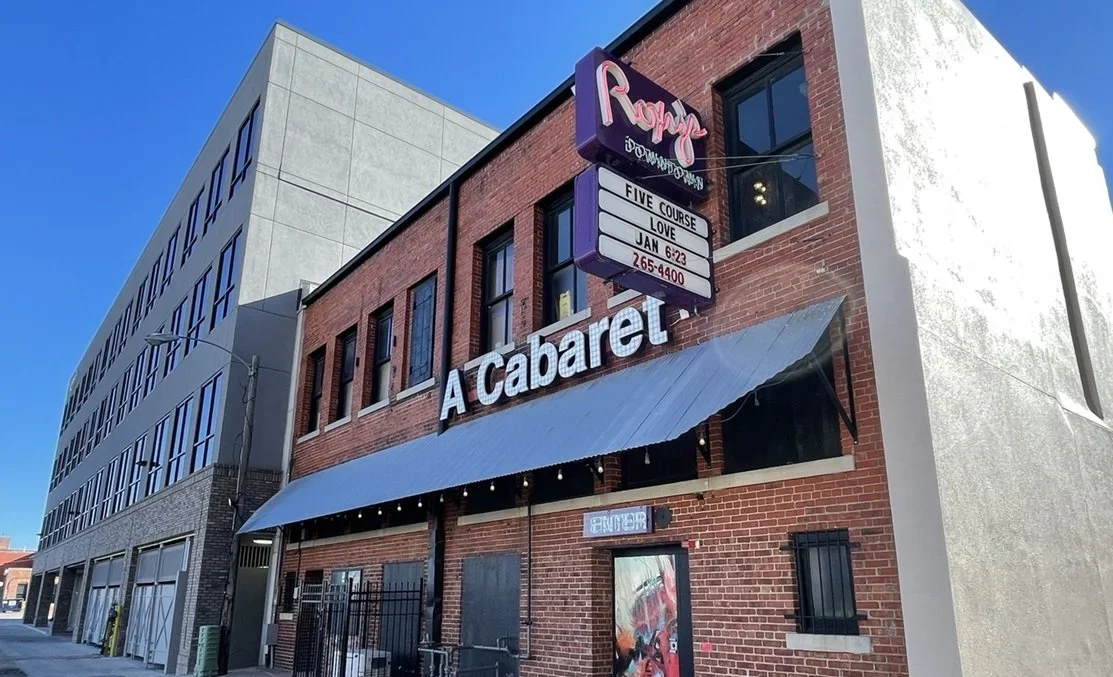
Roxy’s Downtown announced this week that Rick Bumgardner is returning as artistic director, roughly ten weeks after his resignation. The theatre says the board made that decision after an independent investigation, which it says found management responded “immediately and effectively” to concerns as they were raised.
Just for context, local performer Cody LaCrone was arrested last November after police say he exploited a teenage girl through social media and threatened to share explicit images of her.
But here is the part that sits at the center of community outrage: Bumgardner had already publicly acknowledged that he cast LaCrone in a 2025 production after being told multiple actors had raised predatory-behavior concerns.
In a Facebook post (since deleted), Bumgardner wrote: “I gave an actor a second chance in one of our productions about six months ago after being made aware that several other actors had expressed concerns about his behavior being predatory. This past weekend that actor was arrested on charges that indeed support those concerns.”
That statement matters because it is not vague. It is not rumor. It is not hindsight from people online. It is a direct acknowledgment that concerns existed, that they were known, and that the actor was still cast anyway. And that is exactly why people are still furious.
Because this is not a geography argument. This is not “did alleged incidents happen on theatre property.” This is a leadership judgment call.
Someone in power knew there were multiple concerns described as predatory and still made a “second chance” casting decision. Later, the arrest happened. Then the resignation happened. And now, ten weeks later, the reinstatement happens.
People can debate legal boundaries all day long. But in community theatre, trust lives or dies on whether leaders make protective decisions before a crisis becomes a headline. That’s the crux.
Yes, policy updates are good. Yes, training is good. Yes, formalizing safeguards is necessary. But none of that changes the fact that this specific decision chain is what people are reacting to.
You don’t rebuild trust by saying “we’ve reviewed the process.” You rebuild trust by confronting the decision itself.
I know how theatre spaces talk themselves into these moments. I’ve seen it. You hear “he’s talented,” “we can manage it,” “let’s keep an eye on things,” “everyone deserves another shot.” The language sounds compassionate, but the impact can be reckless when the warnings are this serious.
And that is why this backlash is not performative.
It is a community drawing a line and saying: if we are serious about safety, then repeated predatory concerns cannot be filed under “second chance casting.” Not in 2026. Not anywhere.