Is “Cine-Theater” a Trend or a Theatre Fad?
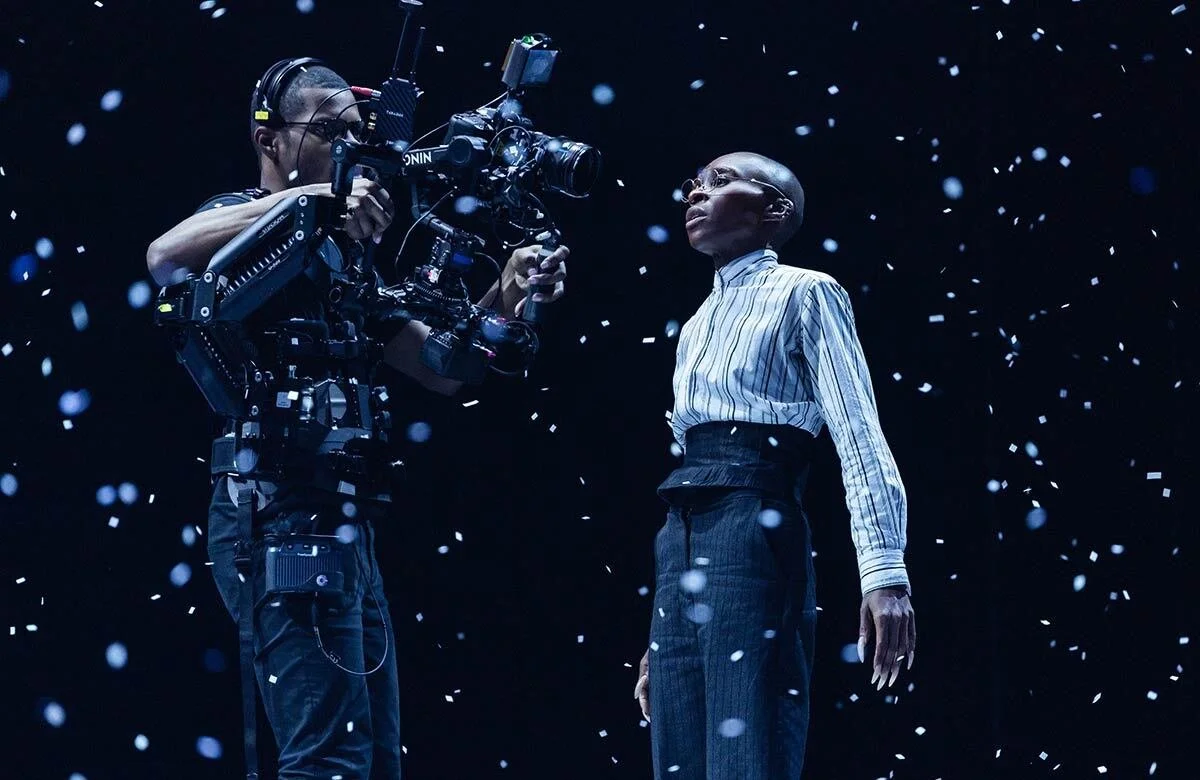
Cynthia Erivo in Dracula
by Chris Peterson
The theatre world has found its latest obsession, and naturally we are already fighting about it. This time, it is “cine-theater,” Kip Williams’ slick, camera-heavy stage style that gave us a knockout with The Picture of Dorian Gray and now a much messier conversation with Dracula.
So the question is not whether people are paying attention. They are. The question is whether this is the start of a real movement or just the kind of theatre trend we all pretend to love until the third copycat production shows up.
What we are seeing right now with shows like The Picture of Dorian Gray and Dracula is not the death of theatre. It is theatre arguing with itself in public, which is honestly one of its favorite hobbies. And I kind of love that.
Kip Williams has become the face of this “cine-theater” conversation because he is not just using screens as decoration. He is building the entire storytelling language around the collision of live performance and live film grammar. Playbill literally described Dorian Gray as a “collision of form” built through onstage cameras and choreographed video, with Sarah Snook playing 26 characters. That is not a little tech flourish. That is the show.
The reason this conversation matters now is because Dorian Gray already proved this style can be more than an art school experiment. The Broadway production recouped its investment, had major box office momentum at the end of its run, Tony wins, and clearly built on the success of the earlier London and Sydney runs. In other words, audiences showed up for it, not just critics and theatre nerds.
So now we get to the real question, which is your question.
Is this the start of a lasting trend or a passing fad?
My answer is somewhere in the middle, and I think that is actually the healthiest answer.
I do not think “cine-theater” is a fad in the sense that it is about to disappear. Dorian Gray was too successful and too influential for that. Williams himself has also been very clear that he sees this work as both theatrical and cinematic, and not in conflict with each other. He even pushed back on the idea that heavy camera use somehow makes it less theatrical, arguing that the core is still an actor telling a story to an audience. That is a serious artistic framework, not a gimmick.
But I also do not think this is automatically the future of everything.
Because Dracula is showing us the other side of it. And honestly, this is where the conversation gets interesting.
The reviews for Dracula are mixed, and not in a minor way, with The Hollywood Reporter praising Erivo’s versatility across 23 characters while other critics describe the production as all style and not enough substance.
That split tells us something important. People are not rejecting the form. They are reacting to the execution.
Even some of the critical notes are basically saying, “I see what this is trying to do, but this version does not fully land.” The Guardian’s review praises Erivo’s presence and acknowledges Williams’ track record, but argues that the heavy use of live and pre-recorded video distances the audience from the dread, even calling parts of it closer to an audiobook with screen illustrations than dramatic action. That is not a rejection of innovation. That is a complaint about dramatic tension.
And that is the exact difference between a trend and a gimmick. A gimmick asks you to be impressed once. A lasting theatrical language keeps finding new emotional uses for the same tools.
Right now, Williams is still the main artist people associate with this style, and that is both exciting and risky. Exciting because he clearly has the technique and the ambition to push it forward. Risky because if every new production starts to feel like “big star, giant screen, camera operators, literary adaptation,” audiences will start to feel like they are watching variations on the same trick.
That does not mean the form is doomed. It just means the next phase has to be deeper.
The next wave of this style has to prove it can do more than dazzle us. It has to break our hearts. It has to scare us. It has to make us laugh in ways that feel specifically live. It has to justify why this story needs both the camera and the stage, instead of just showing us that it can use both.
That is why I would not call this a passing fad. I would call it a form in its awkward teenage years.
Dorian Gray was the breakout moment that made everyone pay attention. Dracula feels like the reality check that reminds us that a breakthrough style still has limits. And honestly, that is exactly how real movements grow. They hit. They miss. They get copied badly. Then someone else comes along and uses the same tools in a way nobody saw coming.
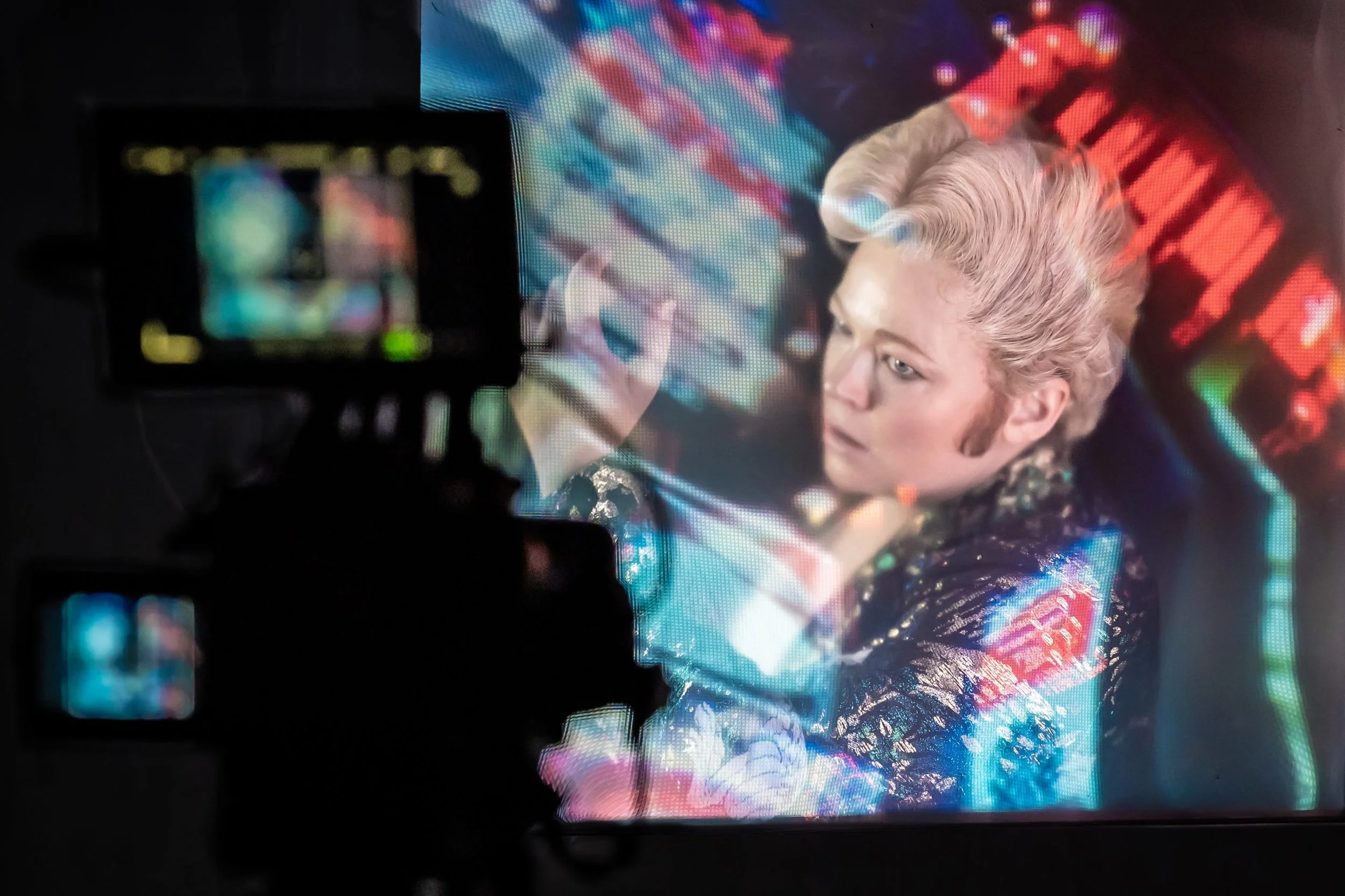
Sarah Snook in The Picture of Dorian Gray
The theatre world loves to declare winners and losers way too fast. We do this with performers, with new musicals, with revivals, with directors, with literally everything. But the smarter question here is not whether “cine-theater” is over because one production got mixed reviews.
The smarter question is whether other artists can now take what Williams unlocked and make it their own.
If they can, this is a trend. If they can’t, it becomes a very impressive signature style attached to one director.
Either way, I do not think we are done talking about it anytime soon.