Students, I Promise “The Sound of Music” is Cool Right Now
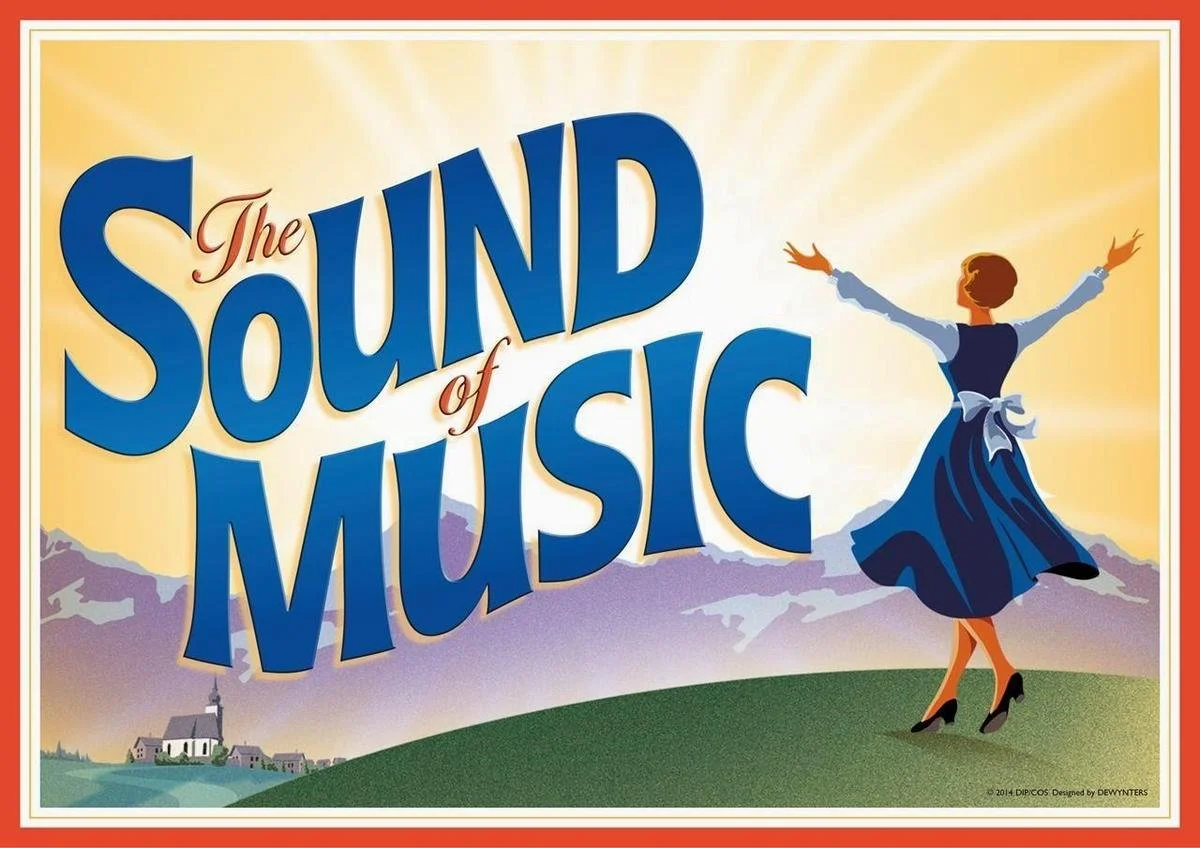
by Chris Peterson
I saw a TikTok recently from someone saying they were disappointed when their high school picked The Sound of Music instead of something they considered cooler, like Heathers. Which, to be fair, is probably a very relatable reaction if you are a teenager in 2026 and hear your school is doing the nun musical instead of the candy-store murder musical.
But what made the video interesting was that they ended up loving it. They loved the show, the cast, and the whole experience of being part of it. And I think that says a lot. Because The Sound of Music is one of those musicals people love to underestimate. It gets treated like the safe choice, the old-school choice, the uncool choice. But spend even a little time with it, and you realize it has a lot more to say and a lot more heart than people give it credit for.
So, students, I promise The Sound of Music is cool right now.
I know that probably sounds ridiculous. On paper, The Sound of Music does not exactly scream cool. It sounds like the kind of title that gets announced at a high school season reveal and is immediately met with a mix of polite applause and silent panic from the students who were hoping for something a little darker, louder, or more obviously edgy. It has nuns. It has children in matching outfits. It has “Do-Re-Mi.” It has spent decades being packaged as this warm, wholesome, family-friendly classic that feels about as dangerous as a cup of tea.
But in 2026, I would argue that The Sound of Music is not just a good choice for high schools. It is actually a very cool one.
Because once you stop thinking about the image people have of the show and actually think about what the show is, it hits differently. This is a musical about standing up to fascism. It is about refusing to blindly fall in line. It is about a family trying to hold onto its humanity while authoritarianism closes in around them. That is the story. The songs are beautiful, the romance is sweeping, and yes, there are adorable kids involved, but underneath all of that is a very clear message about courage, resistance, and what happens when you are asked to trade your values for obedience.
That is not dusty. That is not quaint. That is not irrelevant. That is incredibly current.
We are living in a moment where high school theatre programs are under constant scrutiny. Shows are challenged. Titles are debated. Entire productions get canceled because someone decides a piece of art is too political, too mature, too controversial, or too likely to upset the wrong parent or school board member. There is so much anxiety now around what students should be allowed to perform that even choosing a season can feel like a negotiation with people who do not actually understand what theatre is supposed to do.
That is why I think The Sound of Music feels so unexpectedly vital right now. It may look like the safe pick from the outside, but the heart of the show is anything but passive. It does not ask its characters to stay quiet and keep their heads down. It asks them to make a choice. It asks them what matters more, comfort or conviction. It asks them what they are willing to risk when the world around them starts demanding compliance.
Honestly, that is a lot more radical than people give it credit for.
And what I love about the show is that it does not need to bang you over the head with any of this. It does not posture. It does not try too hard to feel dangerous. It is not built around shock value. It just tells its story with complete sincerity and absolute moral clarity. Fascism is bad. Courage matters. Love matters. Music matters. There is something deeply effective about a musical that can wrap those ideas in gorgeous melodies and still leave you with a lump in your throat.
That kind of storytelling still works. Actually, it especially works now.
Also, let’s retire the idea that teenagers automatically hate classic material. Teenagers do not hate classics. They hate boring. There is a difference. If a show feels stale, emotionally flat, or like an assignment disguised as entertainment, they will know immediately. But The Sound of Music is not boring. The stakes are real. The roles are rich. The ensemble matters. The younger performers actually have something meaningful to do. The music is phenomenal. And somewhere between the initial eye roll and opening night, a lot of students end up discovering that the show has more bite than they expected.
Because it does.
It is one of those musicals that has been softened by its own reputation. People remember the sweetness before they remember the steel. They remember the hills before they remember the boots marching in. They remember the children singing before they remember the fear sitting underneath so much of the story. But that tension is exactly why the show endures. It understands that joy and terror can exist side by side. That tenderness can be an act of defiance. That decency is not weakness.
And in 2026, that feels pretty cool to me.
Maybe cooler than the shows that try so hard to announce their own edginess. Maybe cooler than the titles students are told they are supposed to want because they are sarcastic or dark or drenched in attitude. I like Heathers. I get the appeal. But there is something very powerful about a musical that does not need to wink at you in order to say something strong. The Sound of Music earns its power honestly.
So if you are a student and your school announces The Sound of Music, do not dismiss it too quickly. Do not assume you have been handed some dusty relic because the title sounds polite. Look closer. This is not just a beloved classic. It is a story about refusing to let fascism win. It is about finding your voice in a world that wants silence. It is about holding onto your humanity when fear is trying to take it from you.
That is not uncool. That is cool as hell. And right now, it might be cooler than ever.