Laurie Metcalf’s Defense of Scott Rudin is Disappointing
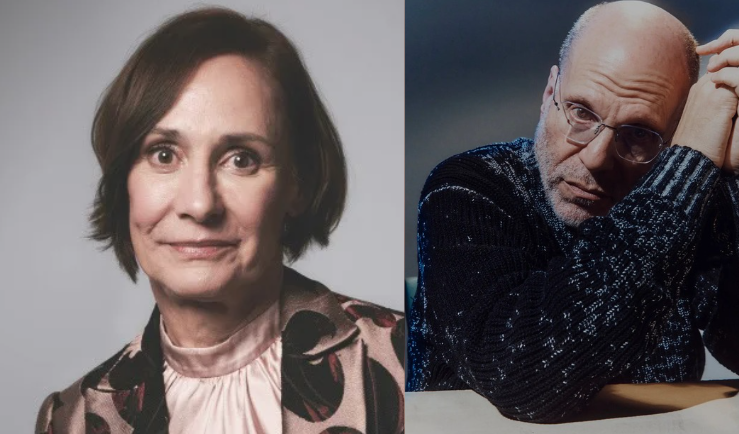
(Photos: Michael Buckner, Erik Tanner)
by Chris Peterson
Laurie Metcalf is one of the greatest stage actors we have. Flowers delivered. No argument there. Which is why her defense of Scott Rudin is so disappointing.
In a recent profile in The New Yorker, Metcalf defended her decision to keep working with Scott Rudin, whose alleged abusive behavior was widely reported in 2021. Those allegations were not some vague “he was difficult” Broadway gossip. Former staffers accused Rudin of throwing objects, including a stapler and a baked potato, berating employees, and in one especially disturbing allegation, smashing a computer monitor on an assistant’s hand. Rudin later stepped back from Broadway and film work after the reports surfaced.
And when all of that came out, where exactly was Metcalf?
That is a serious question. Because from what I can tell, she was not exactly leading the charge for accountability when Rudin’s former staffers were finally being heard. She was not the famous collaborator putting her name and reputation behind the people who had far less power than she did. Maybe she had private conversations. Maybe she processed it quietly. Fine. But publicly, the silence was pretty loud.
Rudin stepped away from Broadway for a while, but has now returned with major productions, including Little Bear Ridge Road and Death of a Salesman, both starring Metcalf. And suddenly we are getting a full-throated defense of rehabilitation.
Interesting timing.
She said: “He talked about his therapy, he apologized, he owned what he said, he reflected on it. He was in the process of rehabilitation. So I just think that, unless we think there is no possibility of real rehabilitation, then we shouldn’t ask people to try and do it.”
Fine. In theory, that sounds lovely. Very mature. But here is the problem: Broadway keeps confusing “people can grow” with “powerful people should get their power back.”
Those are not the same thing, Laurie.
Nobody is saying Scott Rudin should be denied the ability to change, seek therapy, apologize, or become a better person. Great. But producing Broadway shows is not community service. It is not a required step in emotional healing. It is a position of significant financial resources, influence, and workplace authority.
And when famous people rush to help restore that authority, they are not just “believing in rehabilitation.” They are making a choice about whose comfort matters most.
What makes this even more frustrating is the reported Steppenwolf situation. According to the profile, the Chicago-based theater company Steppenwolf did not want Rudin to produce the Broadway transfer of Little Bear Ridge Road because it did not align with their values. Metcalf reportedly threatened to quit if they did not release the rights. They eventually did.
And this is where Broadway’s accountability problem lives. Powerful artists use their leverage to decide that the show must go on, that certain powerful people must be forgiven.
Metcalf can work with whoever she wants. She has earned the right to make her own choices. But choices made by powerful people in this industry do not happen in a vacuum.
When a beloved actor helps usher someone like Rudin back into Broadway’s most influential rooms, that sends a message, and it is not a particularly comforting one.
The Broadway community keeps demanding safer workplaces, healthier rehearsal rooms, and a culture where people are not afraid of the person signing the checks.
Great. Then prove it.
Because there is something deeply Broadway about all of this: a powerful man exits under a cloud, waits out the backlash, and returns with a respected actress helping sell the narrative as personal growth. Curtain up, I guess.