Regional Theatres Need to Stop Assuming Their Community Knows Why They Matter
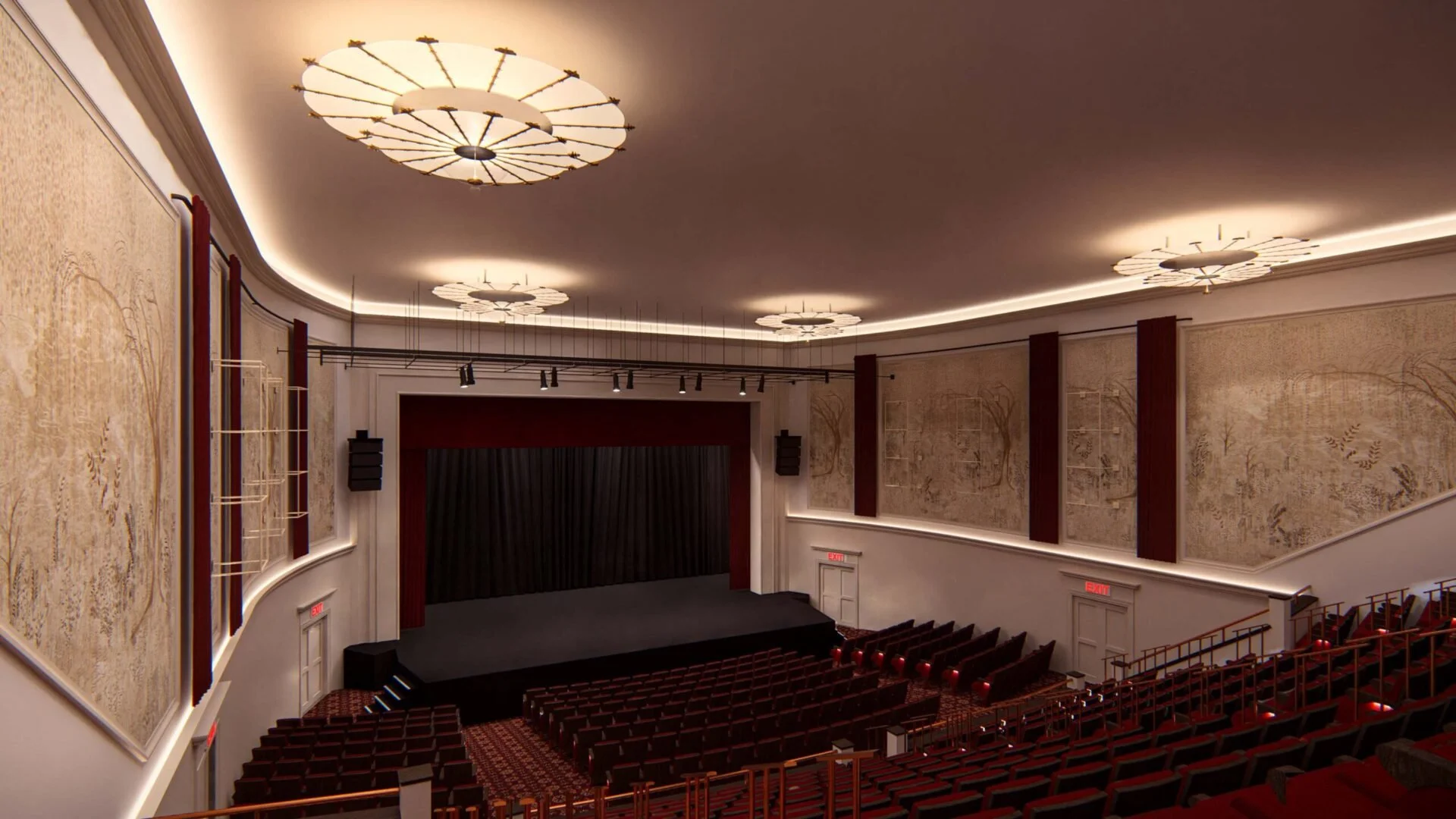
(Photo: Spa Little Theatre)
by Chris Peterson
Regional theatres have spent years trying to explain how much trouble they are in. And to be clear, many of them are.
According to Theatre Communications Group’s recent Theatre Facts report, nonprofit theatres contributed more than $3.6 billion to the U.S. economy and welcomed more than 27 million attendees, while still facing long-term financial pressure and a COVID recovery that has not been smooth sailing.
That should be a compelling argument. The problem is, I’m not always sure the average person in the community is hearing it.
And I don’t mean the subscribers. I don’t mean the donors. I don’t mean the same people who attend every gala, know where the good parking is, and have very specific opinions about the lobby bar. I mean the people who live five minutes away from a regional theatre and could not tell you what is playing there right now.
That is where I think many theatres have a communication problem.
Regional theatres often know exactly why they matter. They can talk about economic impact, local artists, downtown revitalization, student matinees, new work, community partnerships, and the emotional value of gathering in a room together. They have the language. They have the mission statement, probably printed in a font that took three committee meetings to approve.
But too often, that argument only comes out when the theatre needs money. That’s a mistake.
If the first time your broader community hears why you matter is during an emergency fundraising campaign, you are already behind. At that point, the message can start to sound less like civic value and more like institutional panic.
And I say that with sympathy, because I know many theatres are doing the best they can with staffs that are too small, budgets that are too tight, and marketing teams that are basically one person.
Still, the point remains.
The theatres that survive this moment may be the ones that stop only marketing shows and start constantly telling their story. Not in a “please save us” way. In a normal, ongoing, human way.
Show people the teaching artist working with local students. Show the crew building the set. Show the restaurant owner who gets a full dining room on performance nights. Show the local designer, the usher, the school group, the senior group, and the kid seeing their first play. Having lived in CT, which is a hotbed of regional theatre, I’ve seen groups that have done this well and ones that haven’t.
Regional theatre’s case for survival cannot only live in annual reports and donor decks.
It has to live in the community’s daily understanding of itself.
Because if a theatre wants people to fight for it when things get hard, people need to know what they are fighting for long before the crisis email lands in their inbox.