“Relaxed Performances” Are a Pretty Wonderful Thing
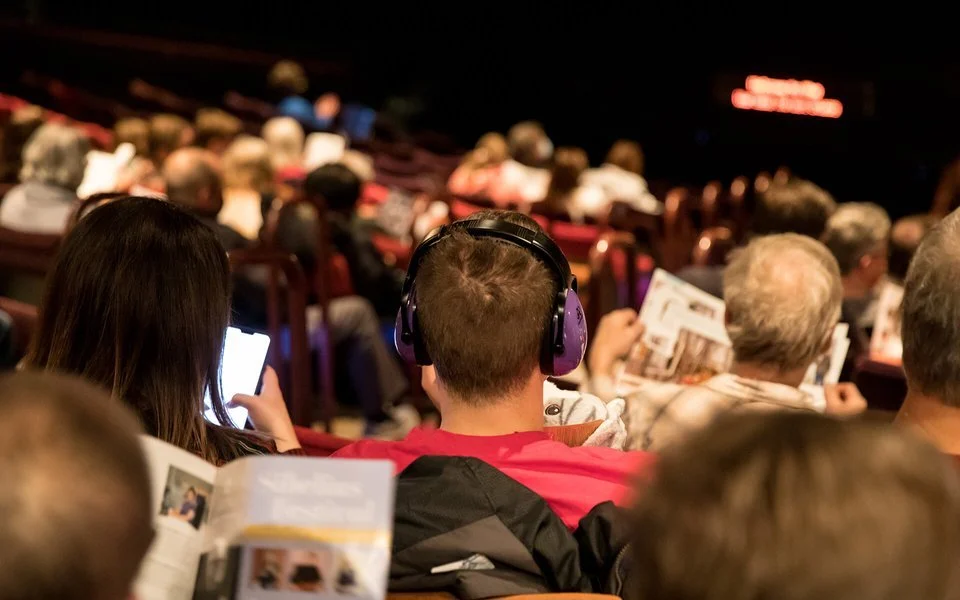
(Photo: Guthrie Theatre)
by Chris Peterson
For some families, going to a show is not just about buying the tickets, finding the seats, and hoping everyone behaves. It is about whether the entire experience feels possible in the first place.
But with the emergence of relaxed performances, sometimes also called sensory-friendly or autism-friendly performances, it’s becoming more possible for these families to attend live theatre.
I have never attended one myself, so I’m not going to pretend to speak from firsthand experience. But I do know people who have taken their children to them, and the way they talk about it is pretty simple: it gave their family a way to enjoy theatre together.
A lot of theatres have been offering these performances in different forms, from regional theatres and children’s theatres to major commercial productions. Broadway has done it too, through TDF’s Autism Friendly Performances program, which launched in 2011 with The Lion King. Since then, productions like Aladdin, Hamilton, Wicked, Hadestown, SIX, Harry Potter and the Cursed Child, and The Curious Incident of the Dog in the Night-Time have been part of that effort.
But this is not only a Broadway story. In many ways, relaxed performances probably make even more immediate sense at local theatres, community theatres, school productions, touring houses, and children’s theatres, where families are already trying to introduce young people to live performance.
The adjustments are usually practical. Depending on the theatre and the production, they might reduce jarring sounds, limit strobe effects, keep the house lights slightly up, send audience guides ahead of time, allow people to leave and return more freely, or provide a quiet space for anyone who needs a break.
That may sound small to someone who has always been comfortable in a theatre. But for a lot of people, those details can be the difference between “we can’t go” and “we had a great time.”
And while these performances are often discussed around children and families, they can help a much wider range of audience members. That can include autistic adults, people with sensory sensitivities, audience members with anxiety, people with dementia, disabled patrons, caregivers, or anyone who may simply need a little more flexibility during a live performance.
Theatre can be overwhelming. It is dark, loud, crowded, expensive, and full of rules that regular theatregoers just absorb over time. For anyone who may need more flexibility, those rules can make the whole thing feel like too much before the show even begins.
Relaxed performances make the experience more welcoming. They let people enjoy the same shows with less stress and more understanding built into the day. That feels like something worth celebrating.