“Wicked: For Good” Got Shut Out at the Oscars. Here’s Why.
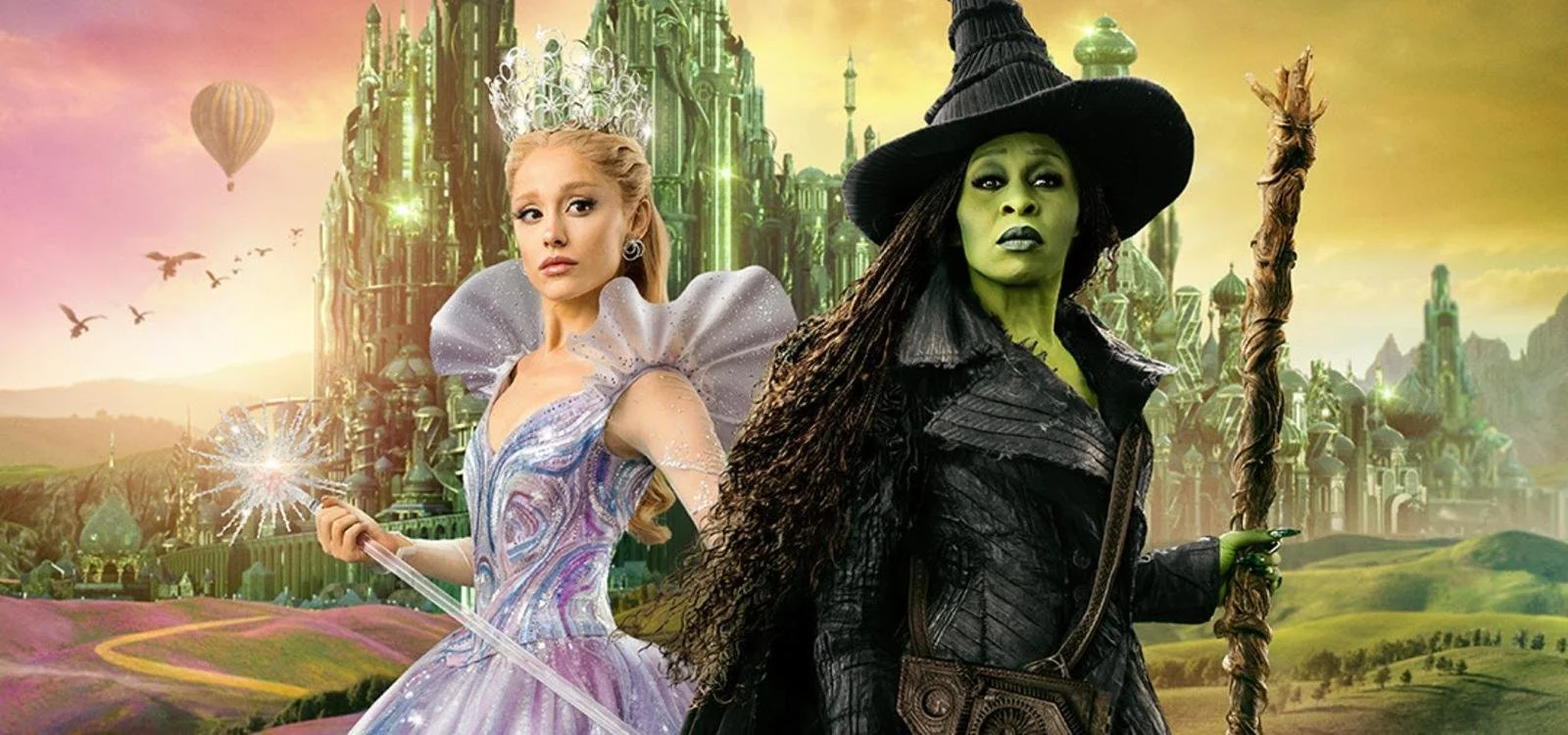
by Chris Peterson
I didn’t expect Wicked: For Good to dominate Oscar nomination morning. Let’s be adults about this. The Academy has never been particularly warm to movie musicals, and when they do embrace one, it’s usually because it feels undeniable. This was always going to be an uphill climb.
But a complete shutout?
That wasn’t bias. That wasn’t anti-musical snobbery. That was something much simpler and much less flattering.
The second movie just wasn’t that good.
I know. That’s not the fun, academic answer. It’s not the “awards bodies don’t understand musical theater” explanation we like to reach for. But sometimes the answer really is the answer. The follow-up didn’t hit as hard. It didn’t feel as sharp. It didn’t linger. And Oscar voters, for all their quirks, tend to respond to work that feels confident and complete.
This didn’t.
The first film arrived with momentum. Energy. Performances people wanted to talk about. It felt like an event. Even skeptics were willing to lean in because there was a sense that something big was happening, something carefully made, something worth engaging with.
The second film arrived…and kind of drifted.
While there were some strong performances(especially Ariana Grande) and incredible design work, the critical response was softer. The new songs weren’t anything special. And yes, the box office was fine. Respectable. But this was supposed to be the triumphant conclusion to a cultural juggernaut. Fine doesn’t cut it when you’re trying to end on a high note.
Final chapters are supposed to surge. This one coasted.
And awards momentum is ruthless. When the second half of a project doesn’t elevate the first, it doesn’t just hurt itself, it drags the whole thing down with it. Suddenly, voters aren’t thinking about performances or craft in isolation. They’re thinking about the overall experience. The aftertaste. How it all settled.
And it didn’t settle in a way that demanded recognition.
Part of the problem is that Wicked lives and dies on emotional escalation. The second film needed to feel sharper, riskier than what came before. Instead, it often felt cautious. Polished. A little too pleased with its own seriousness. That’s deadly in awards season.
And look, this isn’t about tearing it down for sport. Wicked: For Good isn’t bad. It’s just not exceptional in the way it needed to be. Not in a year crowded with louder, bolder, messier films that left a stronger impression such as Sinners and One Battle After Another.
Oscar shutouts don’t usually happen because of one thing. They happen because a project quietly slips out of the conversation. And that’s exactly what happened here. The second film didn’t reignite the spark. It didn’t sharpen the story. It didn’t give the whole enterprise a triumphant final push. It just…ended.
Which is maybe the most damning thing you can say about a movie that’s supposed to soar.
This shutout doesn’t erase what worked. It doesn’t negate the performances that resonated or the audiences who showed up. But it does reflect a simple truth the industry hates admitting: sometimes the follow-up just doesn’t deliver, and no amount of goodwill can make up for that.
The Oscars didn’t snub Wicked: For Good. They shrugged at it. And that, more than anything, is why it walked away empty-handed.