BFA Season Recap: Which Programs Actually Felt Welcoming?
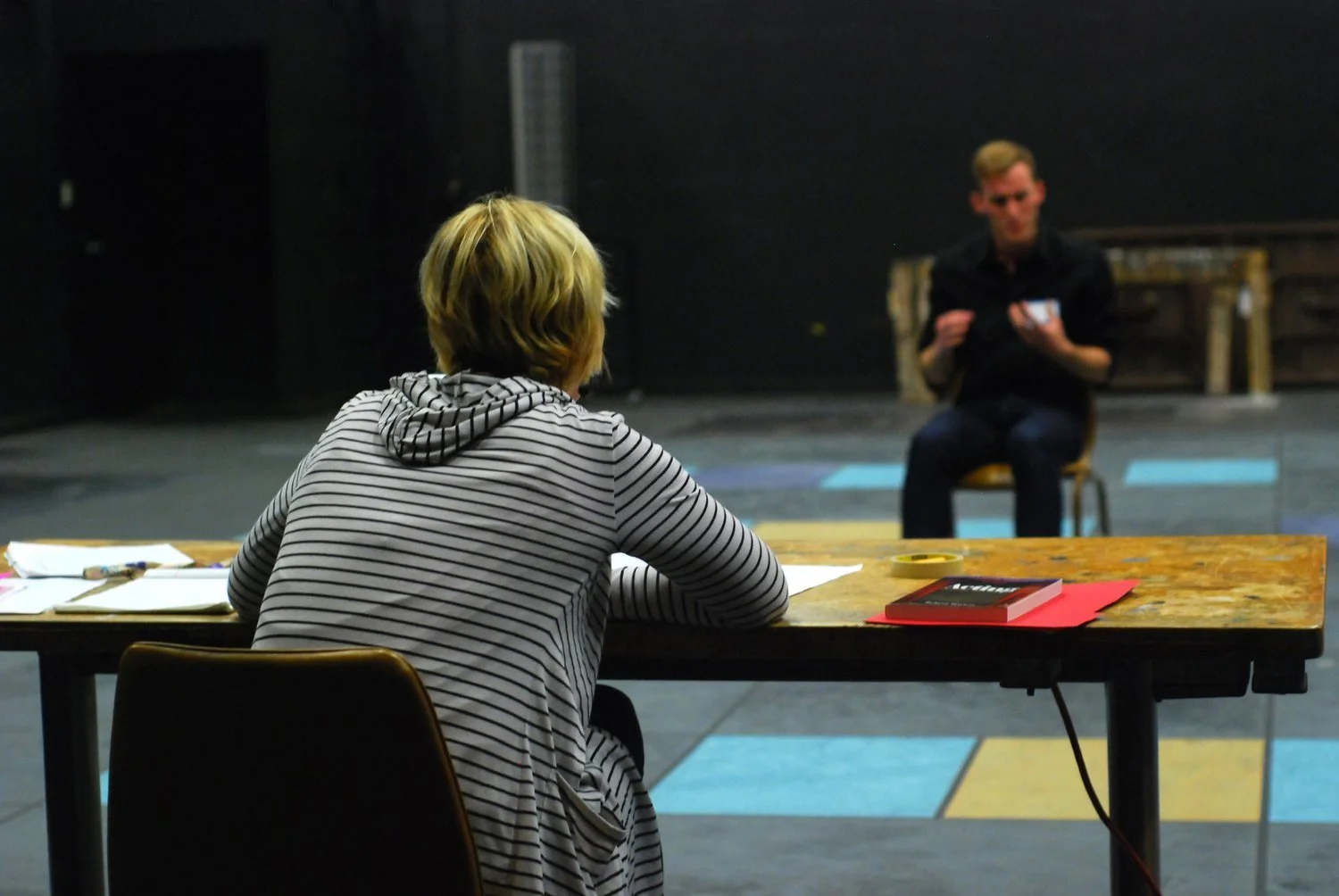
by Chris Peterson
To the seniors who just spent the last few months singing 16 bars in fluorescent-lit rooms while a stranger with a clipboard stared at your soul.
Unifieds are over. The big BFA audition pilgrimage has ended. You’ve said “Hi, I’m ___ and I’ll be singing…” so many times you could do it in your sleep. And now that we’re on the other side of it, I want to know something that doesn’t get asked nearly enough.
How did those schools make you feel?
Not “did you get in?” I mean: in the room, in the hallway, in the five minutes before you walked in, in the five minutes after you walked out… did you feel welcome? Did you feel respected? Did you feel like a person with a future, or a product being evaluated?
Because here’s the part nobody really prepares you for: an audition isn’t just you auditioning for them. It’s them auditioning for you. And I know, I know, that’s easy to say when you’re not the one refreshing your email like it owes you money. But it’s still true. Especially now, when schools are asking you to commit four years of your life and a truly alarming amount of tuition to an environment that will shape you as an artist and as a human being.
So, I want to hear what the vibe was this season.
Did anyone actually explain what the day would look like before you started? Did someone greet you like they were glad you showed up, or did it feel like you were interrupting their lunch? Did the current students in the room act like ambassadors or like bouncers? Did you see diversity in the faculty panel, the student helpers, the way they talked about their training? When they said “we value inclusion,” did it sound like a belief or a brochure?
And the questions. Oh, the questions.
Did they ask you smart questions that made you feel seen? The kind that open you up instead of shrinking you down? Did they ask about what you want to learn, not just what you already do well? Did anyone ask what kind of environment helps you thrive, or did it feel like the only goal was to watch you sweat?
I’m also curious about how schools handled “rigor,” because that word gets tossed around like confetti. Rigor can be inspiring. Rigor can also be a smokescreen for “we’re going to break you down because we think that’s what training is.” If a program is proud of being tough, did they also seem proud of keeping students healthy, safe, and supported? Did they talk about resources like it mattered, or like it was an afterthought?
Also, did any school give you the ick? Be honest. Did anyone make a joke that landed wrong? Did anyone speak to you like you were twelve? Did anyone treat parents like nuisances and students like cattle being herded from room to room? Did anyone make you feel like you should be grateful just to be in the building?
Because let me tell you something I wish every high school senior could tattoo on their audition binder: you are allowed to want a program that wants you back with basic human decency. You are allowed to want high standards and warmth at the same time. You are allowed to choose the place where you felt your shoulders unclench.
And yes, I know it’s complicated. Some of you had incredible days and still got a no. Some of you had a day that felt off and still got a yes. Some of you are waiting. Some of you are done, and you’re trying to emotionally recover from the fact that your entire personality from October to February was “audition season.” Wherever you are in it, your experience matters, and the information is worth sharing.
Because this isn’t just about gossip. It’s about accountability. It’s about helping the next batch of students walk into those rooms with clearer eyes. And it’s about reminding schools that “talent pipeline” isn’t just a phrase. These are teenagers. Artists. Humans. And the way you treat them in the room says a lot more than any glossy video montage ever will.
So… how did it feel?
And no, I don’t expect you to announce to the world which programs left you with the ick. But I hope you’re addressing that for yourself, because it’s important.