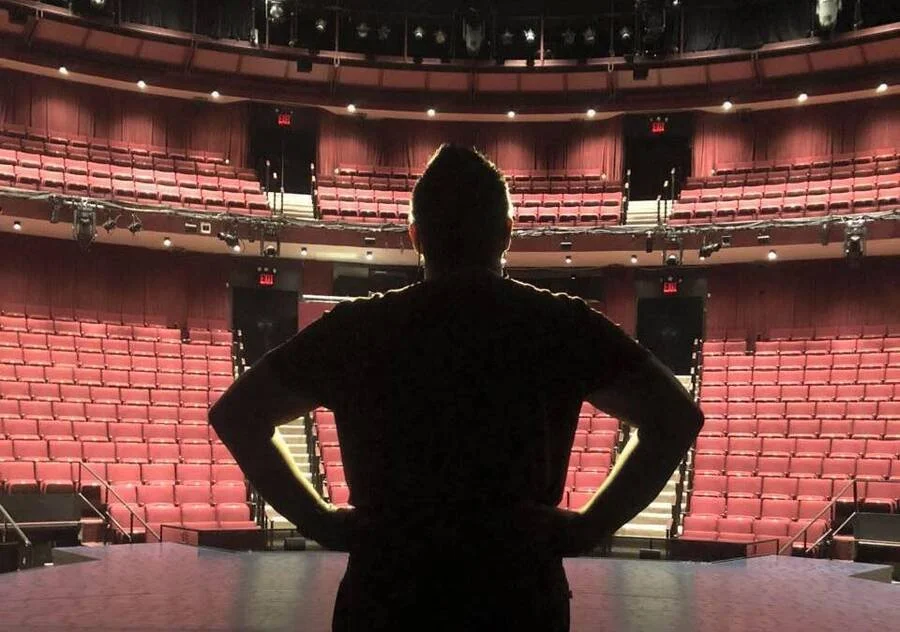
Vivian Beaumount stage
by Chris Peterson
There are few theatre rituals more awkward than notes.
Everyone knows the setup. The rehearsal ends, the cast sits down, the director flips through a notebook, and suddenly people are waiting to hear whether they did something wrong in front of everyone else. Sometimes it is helpful. Sometimes it turns into a public performance of authority. And sometimes the room just slowly gets colder while everyone pretends they are fine.
We can probably do better than that.
Notes are supposed to help the show. That sounds obvious, but a lot of note sessions seem more focused on proving the director caught everything. Every missed cross, every dropped line, every choice that did not land exactly right. There is value in precision, of course. Theatre needs details. But actors are not machines being recalibrated at the end of the night. They are people who just spent hours making themselves vulnerable in front of a room.
There is a difference between giving a note and dumping every thought you had during rehearsal.
A good note should have a purpose. It should help the actor understand what needs to shift and why. It should not be a guessing game, a lecture, or a way to embarrass someone into compliance. If the note is personal, sensitive, or complicated, pull the actor aside. Not everything needs to become a group event.
This is especially true in community theatre, where the cast may include teenagers, first-time performers, longtime regulars, and people who are already nervous just being in the room. Public notes can land harder than directors realize. A throwaway comment to one person may become the thing they think about for the next week.
Directors should also ask themselves whether every note needs to be said immediately. Some do. Safety notes, timing issues, major story problems, absolutely. But if the cast is exhausted, the note session is dragging, and half the room has already stopped absorbing information, maybe the most useful thing is to send a shorter written list later or handle a few things one-on-one at the next rehearsal.
Reinventing notes does not mean lowering standards. It means being more thoughtful about how those standards are communicated.
A rehearsal room can be demanding without being humiliating. It can be honest without being careless. Directors set that tone, whether they realize it or not. Giving notes should not feel like surviving a verdict. It should feel like being helped toward a better performance.