Why Are Some Community Theatres Still Against Audition Tapes?
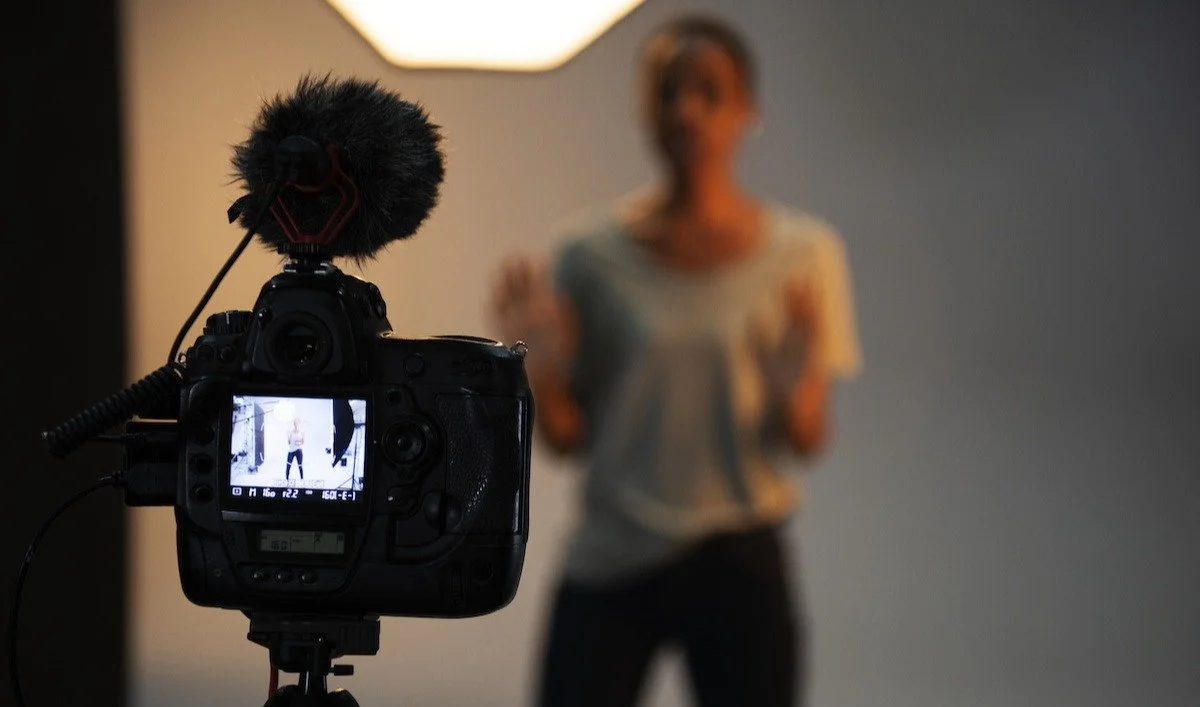
by Chris Peterson
I saw this topic come up recently in a Facebook group, and the comments were honestly pretty interesting.
The question was whether community theatres should accept audition tapes. And as expected, there were people on both sides. Some argued that taped auditions make the process more accessible and open the door to more performers. Others felt pretty strongly that if you cannot show up in person, you should not be considered the same way.
And I have to say, I land pretty firmly on the side of accepting tapes.
Not as some grand replacement for in-person auditions. But as an option? Absolutely.
Because for a lot of people, getting into the audition room is not as simple as just showing up.
People have work. People have childcare. People have transportation issues. People have lives that do not always line up neatly with a two-night audition window from 7 to 10 p.m. on a weeknight.
And if the goal of community theatre is to actually serve the community, then maybe we should stop acting like the only valid audition is the one that happens in person, under fluorescent lights, after someone rushed across town in traffic and skipped dinner to make it there.
Accepting audition tapes does not lower the standard. It broadens access.
I know the arguments against it. “You can’t get the same energy on tape.” Sure. A tape is not perfect. But neither is an in-person audition.
The idea that one is somehow pure and the other is lesser feels less like artistic integrity and more like old-fashioned gatekeeping.
And honestly, some of the resistance feels archaic. Community theatres should be looking for ways to welcome more people in, not invent reasons to keep the process smaller, harder, and more intimidating than it needs to be.
Directors can still hold callbacks. They can still do chemistry reads. They can still see how people take direction. None of that disappears because someone submitted a video first.
All this does is open the door a little wider.
And for community theatre, that should be the point. Because the future of community theatre is not protected by making people jump through outdated hoops. It is strengthened when more people are given a real chance to be seen.