Playing a Villain? Stop Acting Evil.
(Photo: Joan Marcus)
by Chris Peterson
One of the quickest ways to ruin a good villain role is to walk into rehearsal thinking, “Great, I get to be evil.”
Because then comes the sneer. The fake laugh. The lowered voice. The dramatic pause before every line, as if the audience needs a blinking sign above your head that says, “Bad person onstage.”
They don’t.
The script already knows you’re the villain. The audience will figure it out. Your job as an actor is not to announce the villainy. Your job is to make the person believable.
The best villains in theatre rarely think they are wrong. Javert in Les Misérables is not chasing Valjean because he thinks he is being cruel. He believes in the law. He believes people are what their crimes say they are. That kind of certainty is much more interesting to watch than someone simply “acting mean.”
Iago in Othello works for a similar reason. He has built an entire case in his head. He feels overlooked, disrespected. Whether those feelings are justified is not the point. The point is that he believes them enough to act on them.
So if you are playing a villain, start there. What does this person believe they are owed? What do they think everyone else has failed to understand? What lies have they told themselves so many times that it now sounds like the truth?
And please, play the objective, not the mood.
Mrs. Lovett in Sweeney Todd is not interesting if she is just played as the “crazy pie lady.” She wants love. She wants Sweeney. Her choices are horrifying, but her wants are painfully human. That is where the performance lives.
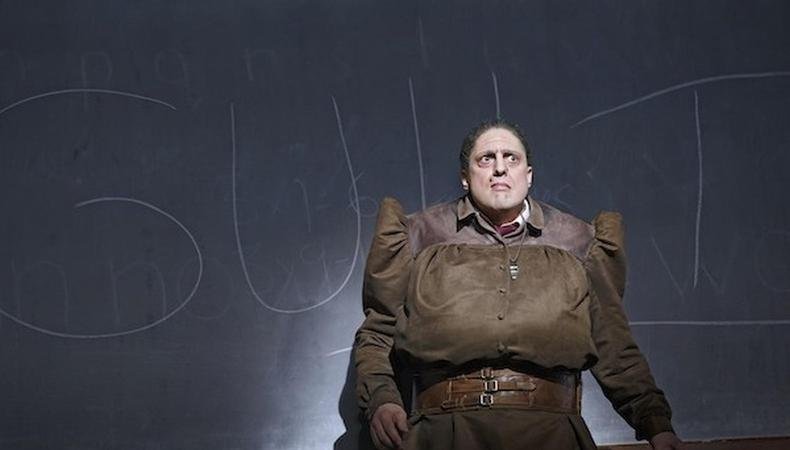
Even comic villains need something underneath. Miss Hannigan in Annie can be big and ridiculous, but she is also lonely and trapped. Miss Trunchbull in Matilda can be played with enormous physicality and menace, but she cannot just be “mean teacher does mean things.” In her mind, she is restoring order. That does not make her right, but it makes her specific.
Then there are villains like Judge Turpin, where the actor has to understand power and cruelty without trying to make the audience forgive him. Understanding a villain is not the same thing as excusing one.
So stop asking, “How do I seem evil?” Ask better questions.
What do I want? What do I believe? What am I afraid of losing? What would I say if I had to defend myself?
Villains are at their best when they make sense to themselves, even when their choices horrify everyone else.