A Respectful Reminder for Theatres Licensing “How to Dance in Ohio”
by Chris Peterson
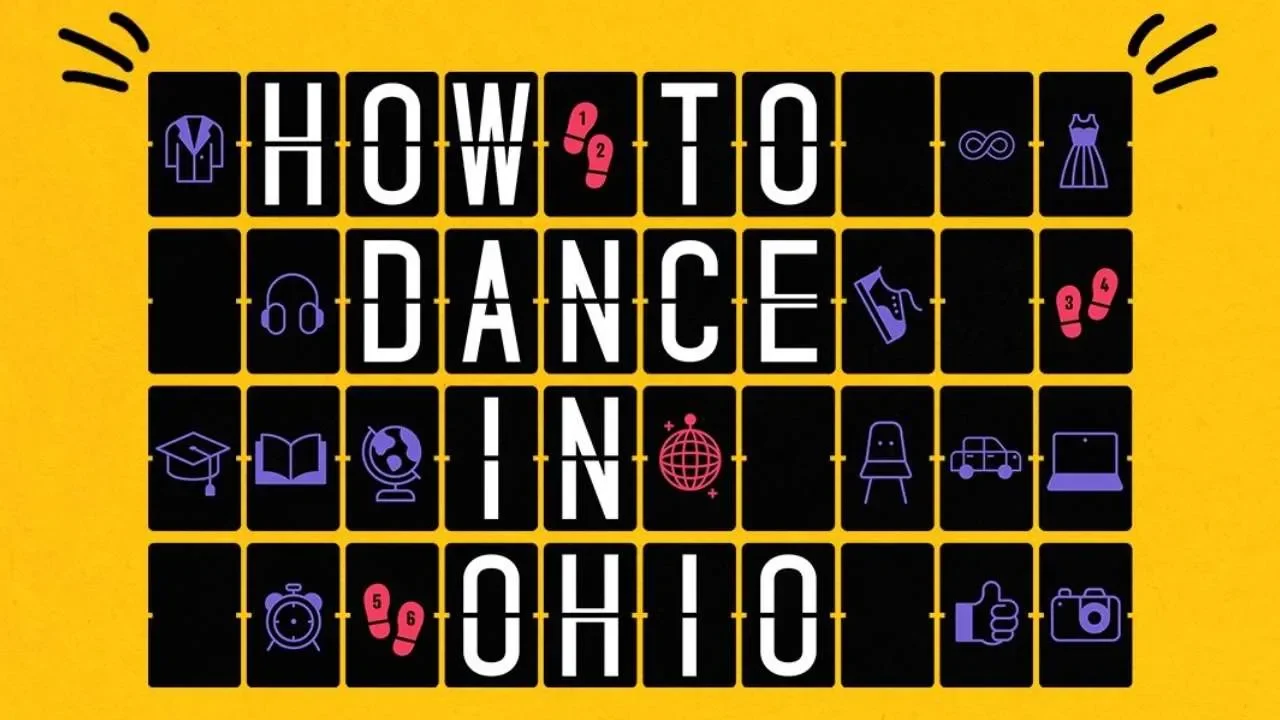
When Music Theatre International announced that How to Dance in Ohio is now available for licensing, it wasn’t just a “new title alert.” It was a signal flare to schools and community theatres everywhere that a show built around neurodiversity, community, and first-love jitters is officially entering the ecosystem.
If you haven’t encountered the piece yet, the premise is wonderfully straightforward and quietly radical: How to Dance in Ohio follows a group of Autistic young adults in Columbus as they navigate big life shifts and the push and pull of connection, with their counseling center working toward a spring formal dance that cracks open routines and expectations in the best way. It’s coming-of-age, it’s tender, and it’s about what happens when the world isn’t built for you but you keep showing up anyway.
Alongside the licensing news, the writers, Rebekah Greer Melocik and Jacob Yandura, released a one-page author’s note about casting, authenticity, and respect. They’re clear about their ambition: they wrote the show to amplify and center Autistic artists, and they encourage theatres to collaborate with Autistic and neurodivergent artists onstage and off. They also acknowledge a reality many producing organizations will face: you may not have seven Autistic or neurodivergent actors in your community, and if you feel passionately about telling this story, they still want you to tell it.
And honestly, I’m glad they said all of that out loud.
Because I can already picture the two reactions brewing in rehearsal halls everywhere. One is the best version of us, which is a theatre community saying: yes. We can do better. We can widen the circle. We can stop treating accessibility like an “extra” and start treating it like the baseline. The other reaction is the version that makes me want to gently take the licensing packet out of someone’s hands and say, “Okay, but tell me what you mean when you say you’re excited to do this show.”
Here’s where I land: I agree with the creators completely. Their North Star is correct. This show is built to center Autistic lived experience and to amplify Autistic artists. If you’re programming How to Dance in Ohio because you love the story, because you were moved by the documentary, because you believe in what it’s trying to do in the world, then authenticity cannot be the thing you shrug at five minutes after you pick the title.
But I also think their flexibility is both compassionate and strategic. If the rule were “don’t do it unless you can cast every role in the most ideal way,” then a whole lot of communities would simply never touch the material, and the story would get siloed into the same handful of well-resourced places. That’s not “protecting” anyone. That’s just another velvet rope.
That said, I need theatre groups to hear this next part with love and a little bit of side-eye: the writers giving you permission to proceed is not permission to stop trying.
Because the easiest thing in the world is for a theatre to glance at the casting note and go, “Welp, we don’t have those actors here,” and immediately move on to the fun part where you argue about dance shoes and whether the set can be built on two platforms instead of three. But how do you know you don’t have them? Have you actually looked beyond the same circle of people who always audition for you? Have you built a process that makes it possible for someone who has never auditioned for you to walk into the room and feel like they will be respected?
The creators even point out something a lot of people forget: autism is often diagnosed later in life, and plenty of people are undiagnosed or only beginning to recognize themselves in stories like this. Which means the “we don’t have anyone” assumption can be less about reality and more about your theatre’s ecosystem. Sometimes the people are there. They just don’t feel safe showing up.
So if you’re going to do this show, “make every effort” can’t just mean posting the audition notice and hoping the universe delivers seven Autistic actors like it’s a casting miracle. It means leaving your usual theatre bubble. Reach out to local autism advocacy groups, self-advocacy orgs, nearby college disability services, and neurodivergent artist communities. Ask them to share the notice, yes, but also ask what would make auditions actually accessible.
And then back that up with real choices: put accommodations in writing, send sides in advance, allow flexible audition formats when you can. And please, for the love of all that is holy, stop acting like cold reads are some sacred theatrical rite. They’re a habit. Habits can change.
It also means taking the authors’ warning about stereotypes seriously. If you are not Autistic, do not build a performance out of an “autism voice” you picked up from tired TV tropes. The authors explicitly caution against caricature and push performers toward authenticity and respect. That’s not a suggestion. That’s the job.
And if you do all of this and still can’t cast every role authentically, I’m not here to shame you. The writers aren’t either. But I am here to say: be honest about the difference between “we tried” and “we tried like we meant it.” If your process is built for the same people who always audition, you’re going to get the same people. That’s not fate. That’s infrastructure.
Because if you’re going to tell a story about belonging, your first act isn’t the opening number. Your first act is whether the people reflected in this story actually have a real chance to belong in your room.
So yes, thank you to the writers for being clear and for recognizing the messy realities of access. And to every school and community theatre eyeing this title right now: don’t treat their flexibility as an escape hatch. Treat it as a responsibility. Do the work. Widen the circle. Build the ramp. And then, when you finally put this show in front of an audience, you’ll know you didn’t just stage a story about authenticity. You practiced it.