Playwrights Horizons Settled the Lawsuit Over Race-Based Ticket Discounts
by Chris Peterson
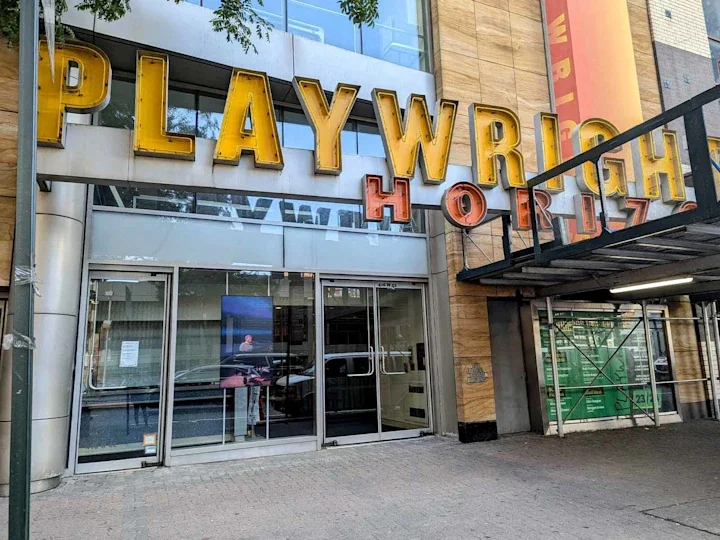
Playwrights Horizons has settled the federal lawsuit brought by Kevin Lynch, a white New Jersey musician who challenged the company’s race-based discounted ticket offer for a 2025 “BIPOC Night” performance of Practice.
The suit argued that the theater’s race-linked discount violated federal civil rights law, as well as New York state and city anti-discrimination statutes. The case was backed by Edward Blum’s American Alliance for Equal Rights, which has made a habit of targeting DEI policies. Under the settlement, Playwrights Horizons said future discounts will be available regardless of race or ethnicity, while also making clear in court filings that it was not admitting wrongdoing.
And honestly, none of that is surprising.
I believe Playwrights Horizons meant well. This does not read to me like some sinister act of exclusion cooked up in a back room by theatre villains twirling invisible mustaches. It reads like what it probably was: an attempt to create a welcoming, intentional space for audiences who have often been underrepresented in theater spaces. I get and support that impulse. The theater world absolutely should be thinking about who feels invited into the room and who does not.
But good intentions do not make a legally flimsy idea, such as race-based discounts, less flimsy.
Why did this have to become a lawsuit at all? Why are we here? Why are we once again watching a conversation that should have been about access, inclusion, and audience building get dragged into federal court because no one in the room apparently raised a hand and said, “Hey, maybe trying a race-based discount strategy is going to be a problem”?
That is what gets me.
Not because I think the lawsuit is noble. It is not. It is culture war nonsense wrapped in civil rights language, which is a favorite hobby of people like Kevin Lynch these days. And Edward Blum getting involved was about as shocking as a standing ovation at the end of Gypsy. Of course he got involved. This is what he does. This policy was practically gift-wrapped for him.
And yet, I cannot fully summon outrage over the settlement itself, because from a legal standpoint, Playwrights Horizons was standing on very shaky ground. The laws are clear; you can’t give preferential marketplace treatment based on race. That was always going to be a hard defense, maybe an impossible one. You do not have to agree with the larger political project behind these lawsuits to understand when an institution has made itself way too easy to sue.
That is the part theaters need to get through their heads.
You cannot keep saying you care about equity and then execute these ideas so clumsily that they immediately turn into Fox News bait. Community partnerships, invited affinity events, and outreach through specific organizations are a few examples that many other theaters regularly do to accomplish the same goals Playwright Horizons wanted.
What bothers me most is how small this all becomes once it enters the legal system. Suddenly, the bigger issue disappears. The question of why audiences of color are often underrepresented in nonprofit theater spaces gets shoved aside. The conversation about how institutions can actually make people feel welcome gets flattened. And instead, we are left arguing over discount codes, wording, statements, non-apologies, and whether someone “felt excluded.” It is the most tedious version of a conversation that should have been meaningful.
That feels like the real loss here.
Because now the headline is not about inclusion, outreach, or really anything to do with theater. It is about a lawsuit, a settlement, and a bunch of people racing to frame the ending in whatever language best suits them. One side says apology. The other says not an apology. Everyone gets their little statement. Everyone gets their spin. Meanwhile, the actual idea that sparked this in the first place is left sitting in the corner like an understudy no one remembered to call.
I think Playwrights Horizons wanted to create a welcoming atmosphere. I also think they went about it recklessly. Both things can be true. And many arts organizations need to learn that lesson very quickly, because this is not the last time someone will come after them over a race-conscious policy. Not even close.
So yes, I agree this was probably going to be a hard case for Playwrights Horizons to defend in court. But I am still stuck on the same thought I had when I first saw this story: it is ridiculous that this had to become a lawsuit at all.
The theatre world should be smart enough by now not to keep stepping on the same rake.