Naming a West End Theatre After Judi Dench Shouldn’t Be Controversial
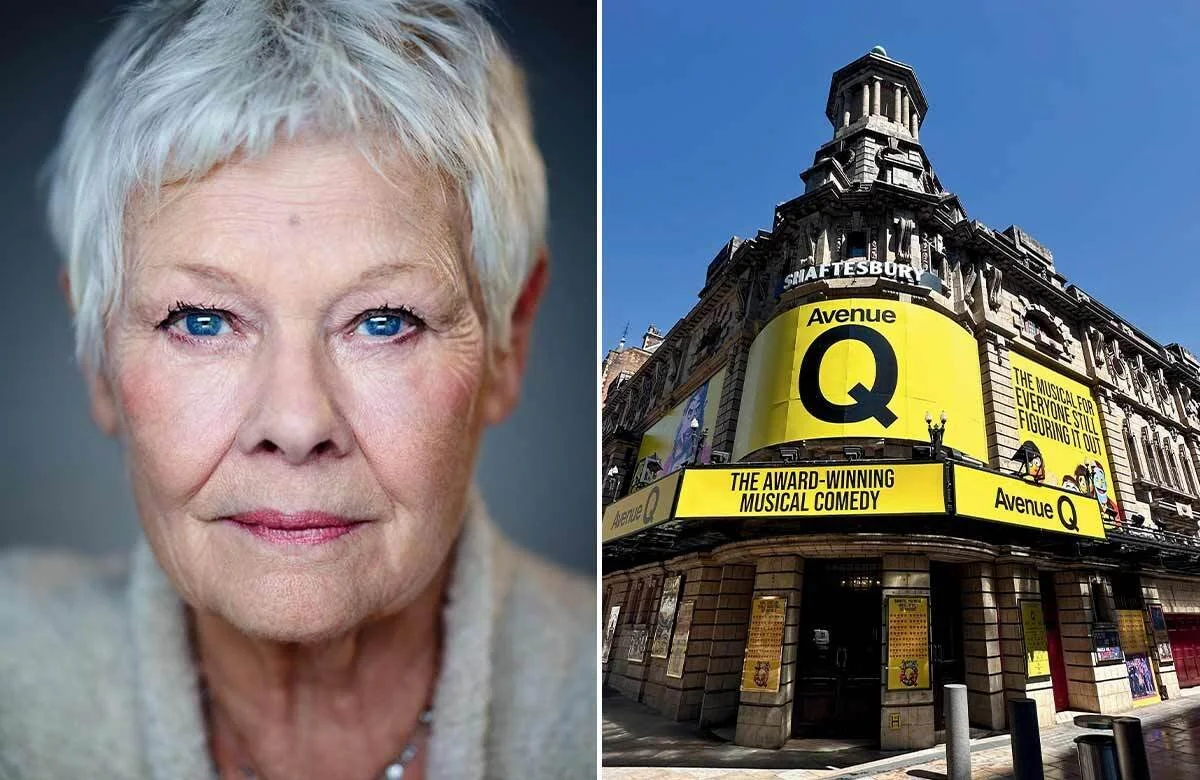
Judi Dench and the Shaftesbury Theatre. (Photo: Robert Wilson/Shaftesbury Theatre)
by Chris Peterson
The news that the Shaftesbury Theatre will be renamed the Judi Dench Theatre is exactly the kind of theatre story that should be allowed to be lovely for five minutes.
Just five. That is all I am asking.
Dame Judi Dench has given decades to the stage. She has been part of the fabric of British theatre for most of her life. Naming a theatre after her is not a stretch. It is a fitting tribute to someone whose work has helped define British theatre for generations of audiences.
And yes, because social media is social media, there has been some grumbling about it.
At this point, you could announce that a beloved actor is being honored for a lifetime of extraordinary work and someone online would respond as if the chandeliers had been ripped out and replaced with a sponsored TikTok wall. There is always a corner of the internet ready to treat a perfectly reasonable theatre decision as the final scene of civilization.
But it is also worth asking whether some of the reaction has less to do with the renaming itself and more to do with who is being honored.
Because let’s be honest: the theatre industry has never had much trouble putting men’s names on buildings, awards, rooms, programs, and plaques. We are very comfortable preserving male legacy in stone, brass, and marquee lights. But when a woman receives the same kind of permanent public recognition, the scrutiny often feels just a bit louder. Suddenly, people want to debate whether the honor is necessary, whether it is too soon, whether the whole thing is somehow too sentimental.
And before anyone gets too carried away, it is worth remembering something fairly basic: West End theatres changing names is not new.
The West End is full of theatres whose names have shifted over time. The Noël Coward Theatre was once the Albery. The Harold Pinter Theatre was once the Comedy Theatre. The Sondheim Theatre was once the Queen’s Theatre. The Gillian Lynne Theatre was once the New London Theatre. These buildings carry history, yes, but part of that history is that their names change.
So the idea that the Shaftesbury becoming the Judi Dench Theatre is some bizarre break from tradition does not really survive much contact with reality. If anything, it fits neatly within a long West End habit of putting major theatrical names above the door.
What does stand out, though, is how rare this still is for women.
Judi Dench becoming only the second non-royal woman to have a West End theatre named after her says much more about the imbalance of theatrical commemoration than it does about this particular decision. For generations, women have shaped theatre as actors, directors, choreographers, writers, producers, designers, teachers, and leaders. Far fewer have been permanently honored in the physical map of the industry itself.
Broadway has hardly been perfect on this front, but it has been better than the West End in at least this one specific way.
New York’s Broadway map includes the Ethel Barrymore Theatre, the Hayes Theater, the Lena Horne Theatre, the Vivian Beaumont Theater, and the Lunt-Fontanne Theatre, which honors Lynn Fontanne alongside Alfred Lunt. That does not mean Broadway has solved the larger problem of who gets remembered and who gets left out. But it does mean audiences in New York are more accustomed to seeing women’s names attached to major theatre buildings.
That makes some of the reaction to the Judi Dench Theatre feel even stranger. The West End is not inventing some radical new tradition here. It is catching up, and still rather slowly.
So yes, this is wonderful news. It is also, in the larger picture, overdue.
There are plenty of things in theatre worth arguing about. Truly, we are not short on material. Naming a West End theatre after Judi Dench should not be one of them.