Government Help Could Save Australian Theatre, But It Shouldn’t Control It
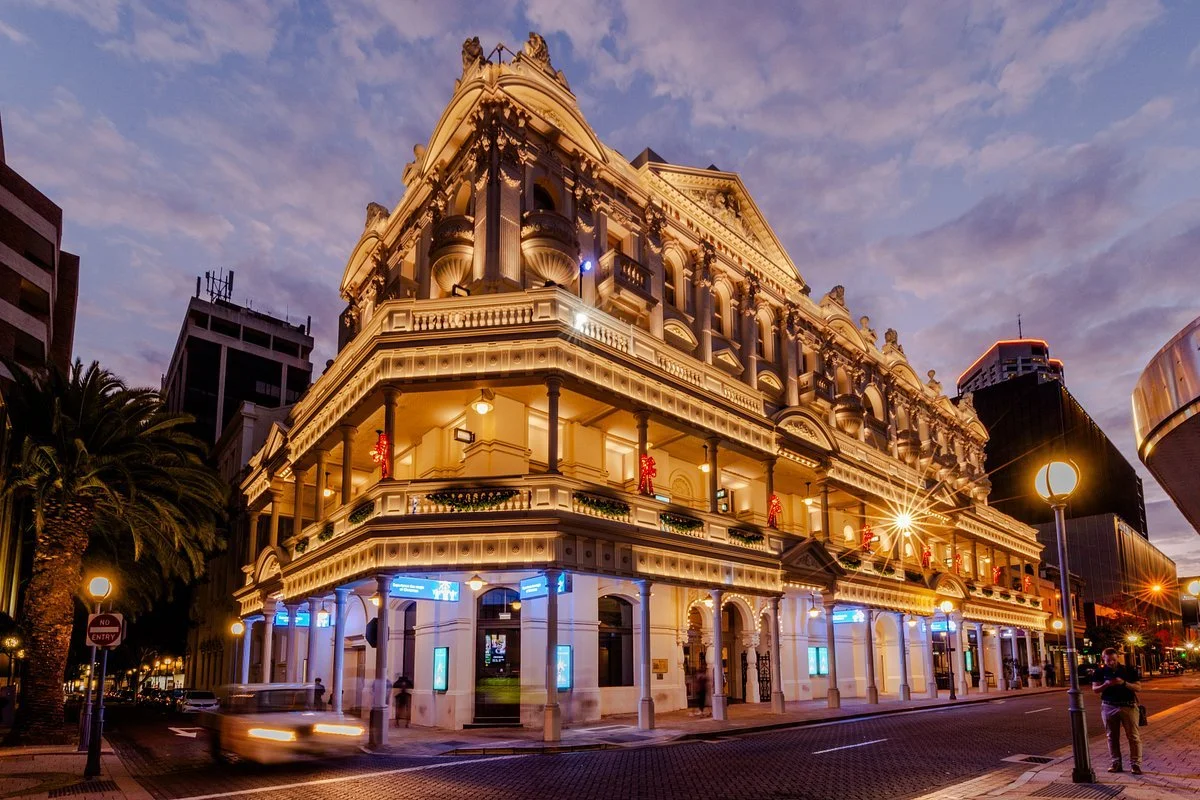
(Photo: His Majesty's Theatre in Perth)
The recent wave of theatre cancellations in Australia should worry anyone who cares about live performance, and not just because audiences are losing the chance to see a few big-name shows.
According to The Guardian, productions including Waitress, Beetlejuice, and Aida have all faced cancellations or shortened runs, with industry leaders pointing to rising costs, soft ticket sales, and the very real financial headache of touring large-scale productions.
And while it is easy to talk about this in terms of ticket sales and balance sheets, the human part of it is what should be getting more attention. When shows close early or never arrive at all, performers lose work. So do stage managers, musicians, and everyone else who depends on these productions actually happening.
So when people in the industry start calling for more government support, I understand it. And right now, audiences are also dealing with their own cost-of-living pressures. People may want to go to the theatre, but wanting to go and being able to afford it are two very different things.
At some point, something has to give. And if the answer is some form of public investment to keep live theatre moving, I am not opposed to that. In fact, I think there is a strong argument for it. Theatre is part of a country’s cultural life. It creates jobs, supports local economies, and gives audiences experiences they cannot get anywhere else.
But I also understand why people get nervous the minute government money enters the room. Because once public funding is involved, artists are allowed to ask some very basic questions. Who decides what gets supported? Are certain kinds of shows more likely to get help than others? Could funding quietly steer producers toward safer choices? Could politicians, even indirectly, start influencing what stories get told?
Given what’s happening here in the U.S., those are reasonable concerns.
But the answer cannot just be to reject public support altogether. The better answer is to demand real guardrails. Government support should help the theatre ecosystem survive, not give politicians a say in what artists are allowed to put on stage.
If public money is going to support live theatre, then the process has to be independent, transparent, and protected from whatever political argument is happening that week.
Australia’s own cultural policy uses the phrase “arm’s length” when talking about arts funding, and that phrase needs to mean something. It should mean decisions are made by people who understand the arts, not by people trying to avoid bad headlines.
So yes, I think governments can and should help live theatre when the industry is clearly under pressure. But artists and audiences should also stay watchful. Support is good. Control is not. The goal should be to keep stages open, keep people working, and keep theatre accessible without turning public funding into a leash.