Broadway Performers Aren’t Getting Weaker. The Job Has Gotten Harder.
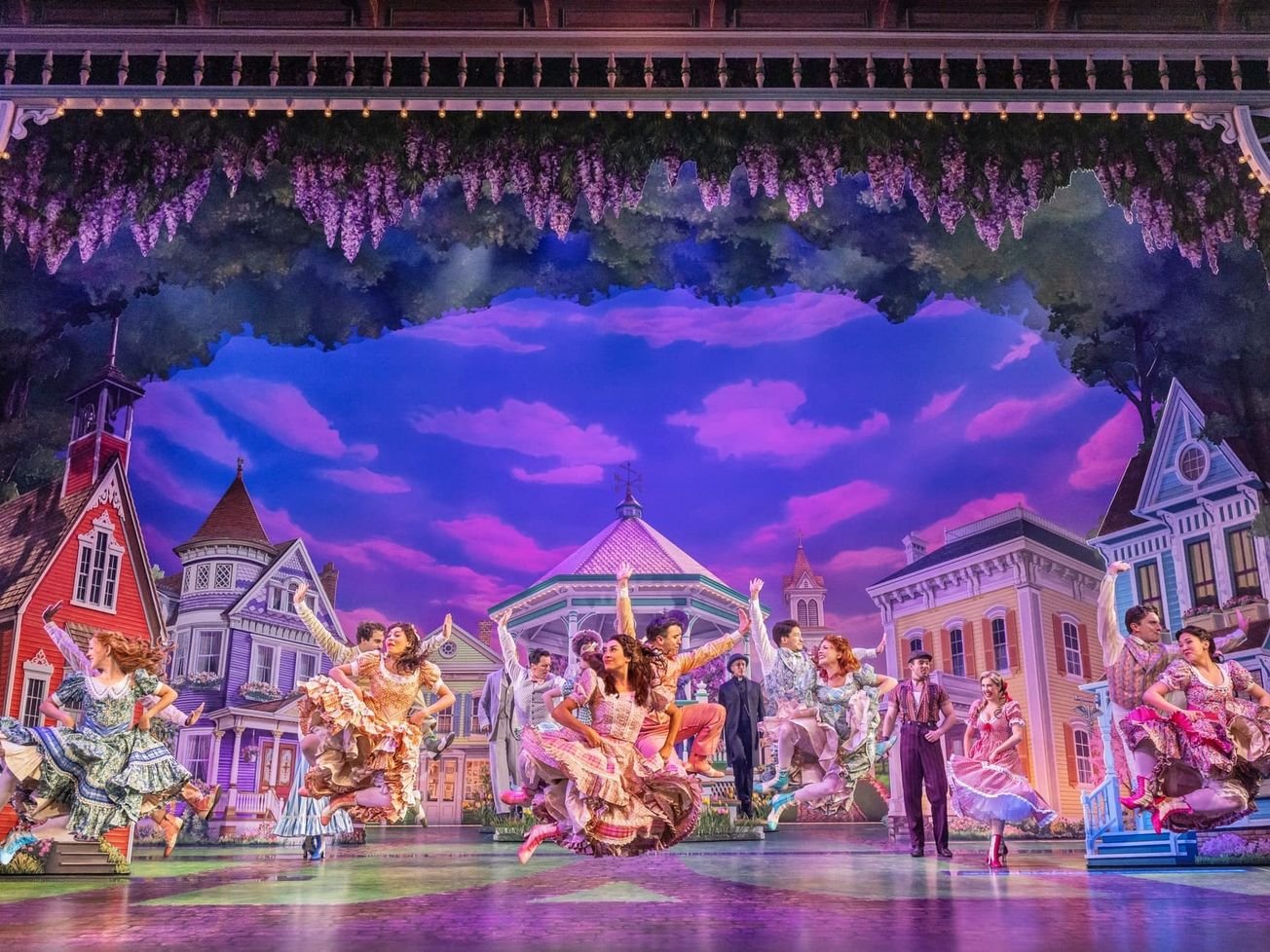
The ensemble of “Schmigadoon!” on Broadway, 2026 (Credit: Matthew Murphy and Evan Zimmerman)
by Chris Peterson
On a recent episode of I Wanna Be Like You with Elbi Cespedes got me thinking about a conversation that seems to keep circling the Broadway community. In the interview with Jack O’Brien, Cespedes stated that with the supposed increase in performer callouts, there are fewer performers capable of doing eight performances a week. O’Brien seemed to agree. I think that starts from the wrong premise.
Broadway has always demanded endurance. No serious theatre person is going to pretend that performers in past generations were taking it easy. But we should also be honest about how the job has changed.
The eight-show week may look the same on paper, but the work inside those eight shows is often different. Broadway’s current schedule still shows the familiar rhythm of evening performances, matinees, and two-show days across many productions. What has changed is the load many performers are carrying once the curtain goes up.
Performer Stefanie Renee Salyers said as much in a response to the podcast on social media.
A modern musical theatre performer may be asked to belt a contemporary pop-rock score, dance through athletic choreography, navigate automated scenery, survive quick changes, maintain vocal health, manage fan expectations, and live with the knowledge that every absence, vocal crack, or substitution can become online discourse before intermission. That is not the same job it was in the 1970’s and 80’s.
A 2025 rapid review of musical theatre performer demands points to evolving vocal requirements, singing while dancing, swing responsibilities, logistical strain, performance anxiety, and financial anxiety. One of the studies included in that review, a 2015 analysis of Broadway leading female roles as of May 2014, found that 84% of those roles required belting.
So when someone says, “Performers used to do eight shows a week,” the better question is, “What were those eight shows asking of them?”
Eight performances of a light comedy are not the same as eight performances of a dance-heavy musical. Eight shows with one major production number are not the same as eight shows where the ensemble is essentially running a marathon in character shoes while singing backup vocals and hitting traffic patterns that can injure someone if they are a step off.
That is why understudies, standbys, alternates, and swings should not be treated like evidence of decline. They are part of the infrastructure that keeps Broadway running. Playbill describes standbys as performers who are often required to be at every performance in case they need to step in, while swings can cover multiple ensemble tracks.
Using coverage is sustainability. It is how performers protect their voices, bodies, and mental health before damage becomes permanent. It is how careers get lengthened instead of burned through.
Audiences can be disappointed when they miss a performer they hoped to see. That is fair. But disappointment should not become resentment toward the person who needed rest, or toward the highly trained performer stepping into the role.
Today’s performers are not weaker. In many cases, they are being asked to do more than ever. Broadway should be honest enough to admit that.