Who Around Ariana Grande Was Willing to Tell Her No?
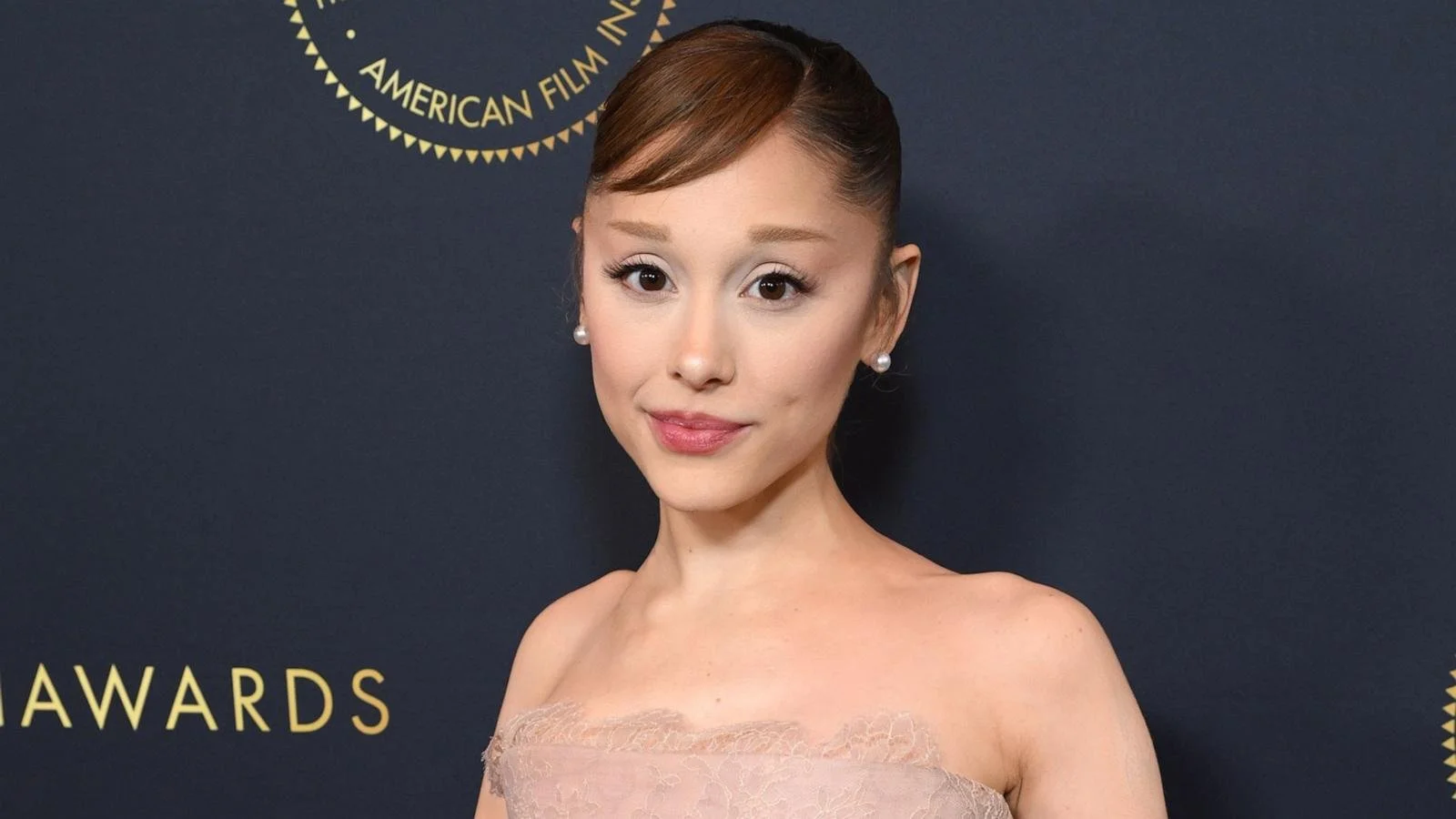
Michael Kovac/Getty Images for AFI
by Chris Peterson
Ariana Grande’s decision to withdraw from the upcoming London revival of Sunday in the Park With George deserves support. Her representative says she will step away from public-facing work after completing her current tour on September 1. The production has confirmed that the role will be recast and that the revival will still open at the Barbican in summer 2027.
This to me makes complete sense. I was amazed she even wanted to do the musical, considering she filmed Focker In-Law and the Eternal Sunshine tour after finishing Wicked Part Two. Grande has every right to reconsider a commitment when she realizes she needs rest. Sometimes the show does not have to go on with you in it. However, her withdrawal raises another question.
Who around Ariana Grande looked at everything she was carrying and thought adding a major Sondheim revival was a good idea? Grande is an adult capable of making her own decisions, and it would be unfair to assume that anyone forced her to accept the role.
Still, major stars do not build their schedules alone. Their managers’ responsibilities should include more than finding the next opportunity.
Sometimes their job should be to say no.
Over the past year, Grande has been dealing with relentless unfair public commentary about her body. Her representative has explicitly linked her planned break to the ongoing scrutiny that accompanies public-facing work.
Against that backdrop, someone still believed she should commit to a major revival of Sunday in the Park With George.
This would not have been a brief concert appearance. Sondheim’s musical asks an enormous amount of the performer playing Dot/Marie.
That is the type of opportunity an artist may feel unable to refuse. On paper, it probably looked perfect; she was a really interesting casting choice for Dot/Marie.
Perhaps Grande and her managers genuinely believed she would be ready. Circumstances can change, and there is no shame in admitting that an earlier plan is no longer workable.
The Barbican production will survive. It has more than enough time to find another performer, and the official response to Grande’s departure has been appropriately understanding.
Grande should not be criticized for recognizing her limit, as some social media commenters would suggest.
Managers should also learn from this. Protecting an artist sometimes means turning down an exciting opportunity. It means leaving an empty space on the calendar. It means caring about the person even when the typical agent playbook is to capitalize on a person’s white-hot fame as soon as possible.
Ariana Grande finally said no. But what happened if she didn’t? I shudder to think what may have may have happened.