The Hadestown Proshot Was a Success. But Can Other Shows Afford to Follow?
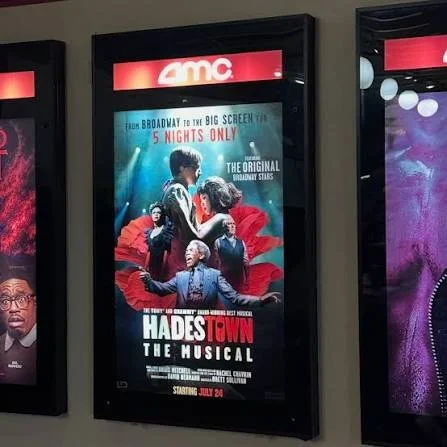
(Photo: @dustin_m_davis on Instagram)
by Chris Peterson
The theatrical release of Hadestown: The Musical is a genuine box office success.
The filmed stage production earned approximately $10.2 million during its opening weekend. That gave it the biggest domestic opening ever for a live theatre capture, narrowly surpassing Hamilton. What was initially promoted as a five-day theatrical engagement was extended with additional dates and showtimes which have grossed around $18 million total.
For years, we theatre fans have been basically told by the industry that there isn’t a large enough audience for professionally filmed stage productions to succeed at the movies. The success of Hadestown suggests otherwise.
In a perfect world, I’d love to see more Broadway and West End productions receive this treatment.
I’d love for audiences outside New York and London to experience productions they otherwise may never see. I’d love for performances to be preserved while the cast and crew responsible for them are still available to participate.
But producing a proshot at the level of Hadestown is much more complicated than setting up a few cameras during a performance.
According to sources connected to the show that I spoke with, the high-quality capture of Hadestown cost around $2 million. Most Broadway productions don’t have an additional $2 million available simply to film the show.
That cost also doesn’t necessarily include everything that comes afterward, such as marketing and working out theatrical distribution rights. Movie theatres receive their share of ticket sales. There may also be costs connected to preparing the production for streaming or other future releases.
Then there is the contractual navigation. A professional stage production involves agreements covering actors and stage managers. Musicians have their own contracts governing filmed performances and theatrical motion pictures. Backstage workers must be considered. The writers control audiovisual rights to their work, which are separate from the rights granted for a live stage production.
Everyone whose work is being filmed should be compensated. A proshot creates a separate commercial product. It shouldn’t be treated as though the performers and workers are simply completing another regular performance.
But it does mean that a producer must negotiate with numerous parties before filming can begin. Depending on the production and where it is being captured, that process can become expensive very quickly.
The success of Hadestown doesn’t mean every Broadway show could spend $2 million on a proshot and earn $10 million during its opening weekend. Hadestown had a beloved original cast reunion. It had years of audience loyalty. It was also filmed and presented with the care audiences would expect from a theatrical release.
But it proved that these productions don’t have to be treated as niche content.
There is an audience for professionally filmed theatre. The challenge is finding a financial model that allows more shows to reach that audience,
I hope the industry studies what happened with Hadestown. Perhaps decision-makers can begin investing in these captures earlier instead of waiting until a production is preparing to close. Maybe future capitalization plans can include preservation and distribution from the beginning.
The appetite is clearly there. Now Broadway has to figure out how to feed it.