Nonprofit Theater Isn’t Dying. The Old Regional Theater Model Is.
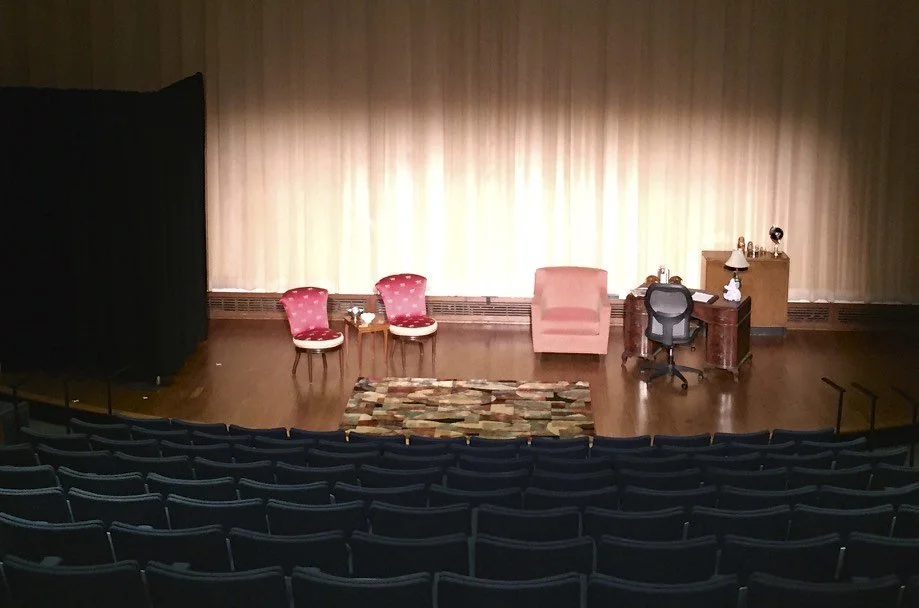
Photo: Chris Bord)
by Amy Fiore, Guest Editorial
Guest Blogger Amy Fiore is a career arts administrator whose work spans from community to regional theaters. She currently serves as a strategic planning consultant for nonprofit organizations of varying sizes and missions through a practice she calls “Poking the Status Quo”. https://www.linkedin.com/in/amy-fiore/
“When Eustis, 67, announced Wednesday that he would step down from his role at the Public in 2028 — after 23 years — he said in a New York Times interview that “the American nonprofit theater movement is over.”” -LATimes 7/24/26
Welp. Apparently, theater is still in crisis. Dying even. At least according to the LA Times, who learned from “giants of the stage” by phone, while they were in New York for a meeting to talk about theater crises. This was probably over a catered lunch. Before seeing a show in the Park. In seats that could have been free to an average New Yorker.
Certainly, the nonprofit theater movement isn’t not in crisis. As the article describes, audiences and donations have been shrinking across the country. But I can’t help but wonder if, perhaps, the current regional theater leaders are the wrong meeting of the minds to fix it during their cross-country trips.
I don’t know every theater leader that was in this particular room, but I have had the privilege of being in other rooms recently that depicted a far less grim picture that somehow isn’t suggested in this article.
One of those rooms was a middle school gymnasium. There, the Artistic Director of a major regional theater was in shorts and sneakers, captivating 125 extraordinarily talented kids through his direction of their summer show, which he calls the sixth mainstage production of their season. Their performances will be to a sold-out house of individuals who are not typical theater-goers. Some family and friends will enter hallowed halls for the first time and, if communicated well, will likely be compelled to come back for another show.
A different room I recently visited was the redesigned lobby of another major regional performing arts center on the East Coast. The theaters there are thoughtfully built for their diverse audiences using funding generously provided by major local corporations. But the most striking space –which would have otherwise been a coat closet or storage – is a free play room for the very young, curated by artists and open daily for free entry. I left there in an Uber, which happened to be driven by a young mom who told me that it was a tiny haven for single parents like her; a warm, welcoming place behind doors that, up until recently, never used to even open to the main street.
This past weekend I was in a third room: a 105-year-old community theater playhouse in an affluent suburb. The roughly 40 people there had volunteered their time and talent to a new play festival, attending rehearsals after their corporate day jobs and carpool drop-offs. They ranged in age from 20 to 80 and made the time to be there simply because they wanted to. I heard an audience member muse, “I wonder how they have managed to stay in business for such a long time.”
The answer is community.
The claim is that the nonprofit theater movement is over, but in truth, the only thing hearing the toll of the death knell is the “vaunted” nonprofit regional theater of old. The ones with the inflated leadership salaries, stark separation between board and program staff, and ivory walls that struggle to be accessible while their endowments remain impenetrable.
Across the country, artists still want to create. Audiences still want to attend. Donors still want to give. The same spirit that compelled regional theaters to start is still thriving at places that didn’t become institutions.
Countless nonprofit theaters remain fluid, relevant, and accessible through egalitarian leadership structures and budget planning that is focused on the mission. Where this is the case, the creative and technical staff don’t need to unionize to demand a livable wage. Rather, I’ve seen them actively participate in donor cultivation simply because talking about the work is joyful for them.
Regional Nonprofit Theater Institutions are still taking risks to find the next Hamilton and telling compelling stories that would not otherwise have commercial success. But they are doing it with enormous grants that could be spread to more artists and make seats more affordable if they restructured the expenses and reduced the inflated leadership salary overhead.
Oskar is right: if they figured out how to pay development directors and carpenters, they can do even more to crack open the castle walls.