BAFTA and the BBC Owe Michael B. Jordan and Delroy Lindo a Real Apology
by Chris Peterson
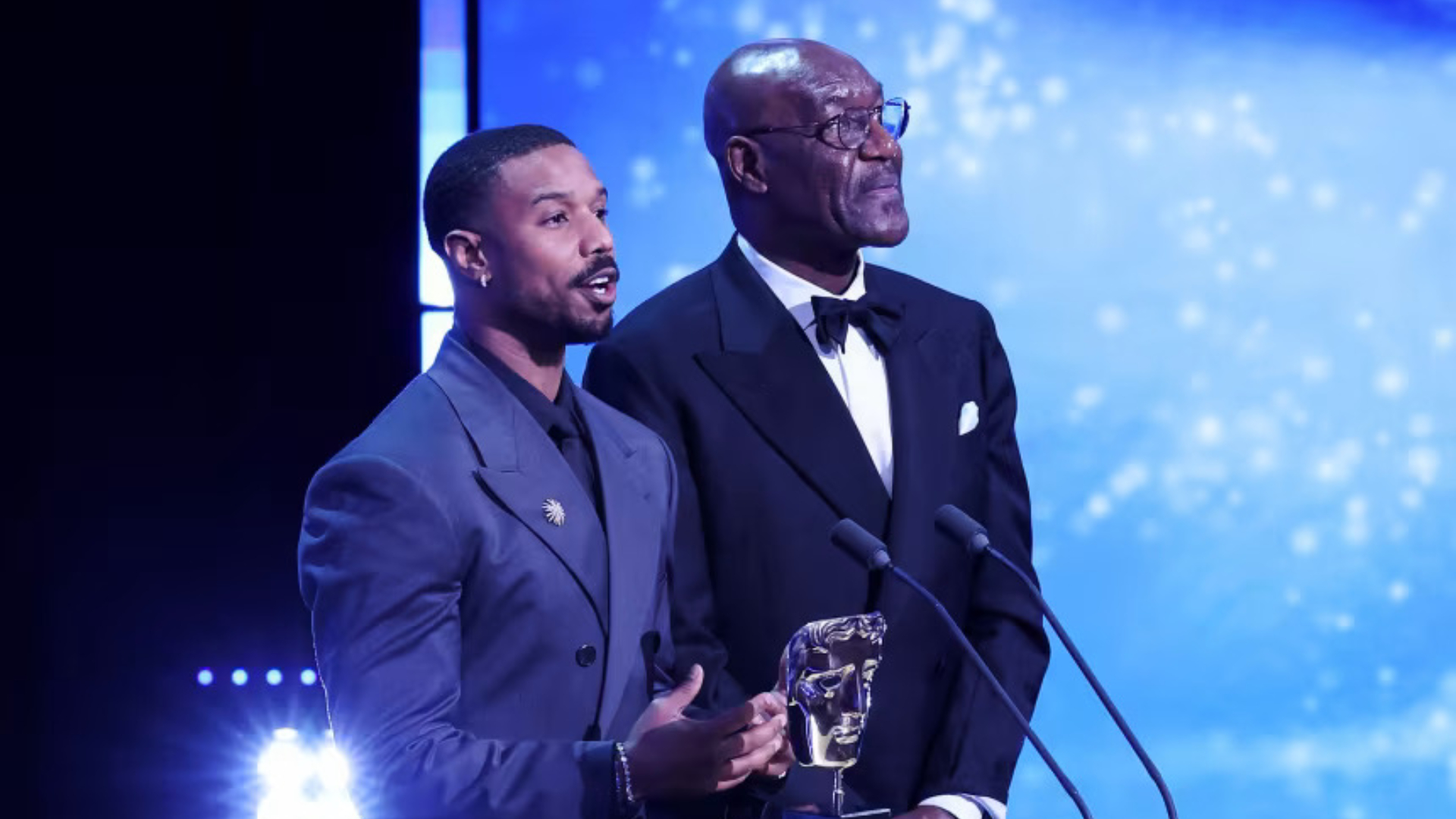
BAFTA and the BBC are facing mounting criticism after a racial slur was broadcast during the 2026 BAFTA Awards while Michael B. Jordan and Delroy Lindo were onstage presenting, an incident both organizations addressed only partially in their public responses.
Although host Alan Cumming apologized in the room and explained that the language came from involuntary vocal tics associated with John Davidson’s Tourette syndrome, the official statements focused on broadcast procedure rather than offering a direct apology to the two Black actors targeted in the moment. The controversy has since widened into a broader conversation about institutional blind spots around race in the UK, especially after reports that the delayed telecast was edited for other remarks but not for the slur.
Let me be clear right away because this is where people keep getting twisted up…
This is not about attacking a man with Tourette’s syndrome.
John Davidson’s outburst was involuntary. That matters. Compassion matters. Disability awareness matters. Nobody should be using this moment as an excuse to pile onto him or pretend they suddenly care about accountability when what they really want is a villain.
But BAFTA and the BBC are not the victims here either. Because once that word was heard in the room, the issue stopped being only about what happened. It became about how the institutions in charge handled it. And that is where this whole thing falls apart.
Yes, Alan Cumming addressed it in the room. Yes, he apologized and explained what happened. That was the right thing to do in the moment. BAFTA later leaned on that explanation, and the BBC apologized for not removing the slur from the delayed broadcast before it aired. The BBC also had to pull and edit the version that was initially available on iPlayer.
But that response still feels like it was written to protect the machine, not the people who were actually standing on that stage.
Because where, exactly, was the direct apology to Michael B. Jordan and Delroy Lindo?
Not the general apology to viewers. Not the “we regret this was broadcast” language. Not the corporate wording about procedure and standards. A real apology. By name. To the two Black men who were onstage when one of the most violent words in the language was heard in the room.
That is the part people are reacting to, and rightly so.
This was not some impossible live-TV scramble where nobody had time to think. This was a delayed broadcast. There was time to make editorial choices. There was time to cut. There was time to protect people. And according to reporting, the delay was used to edit other remarks, including political comments, but not the slur. That detail is brutal because it makes this feel less like a random miss and more like a window into what gets treated as urgent and what does not.
And honestly, that is the bigger story.
Not just one terrible moment at an awards show, but the institutional instinct that follows. The carefully worded statement. The passive voice. The “we apologize for any offense caused” energy. The refusal to directly name who was harmed and how.
It is a pattern, and it is one that the UK still struggles to confront in a real way.
Because this is the part people get defensive about. They hear someone say “this reflects a broader racism problem in the UK” and immediately want to argue intent or tone or semantics. But racism is not only about overt hatred. It is also about blind spots. It is about whose dignity gets centered and whose gets folded into PR cleanup.
And the UK’s own institutions have already said there is a problem.
The Equality and Human Rights Commission has described a “worrying picture of race inequality” across employment, education, criminal justice, health, and living standards. The UK Parliament’s Joint Committee on Human Rights has also explicitly acknowledged racism and inequality in Britain and criticized the tendency toward superficial responses without meaningful follow-through.
So when people look at BAFTA and the BBC and say this response was not good enough, they are not overreacting. They are recognizing a familiar pattern.
A slur is heard while two Black actors are onstage. The explanation comes quickly. The process apology comes quickly. The institutional self-protection comes quickly.
But the direct acknowledgment of racial harm to the people in that moment somehow gets lost. That is the blind spot.
And no, saying this does not erase the reality of Tourette’s syndrome. Two things can be true at once. In fact, they are true at once.
John Davidson deserves compassion and understanding because Tourette’s syndrome is real and involuntary.
Michael B. Jordan and Delroy Lindo deserve a direct, unmistakable apology because they were the ones standing there when that slur landed in the room and then made it into a delayed national broadcast.
Those truths do not compete with each other. The only reason they feel like they do is because institutions keep acting like they can only manage one kind of accountability at a time.
BAFTA and the BBC had a chance to show what a mature response looks like. They could have clearly affirmed the disability context, condemned the harm, and directly apologized to the two men impacted. All in the same breath. That was the move.
Instead, what we got was a response that feels polished, procedural, and incomplete. And people can tell.