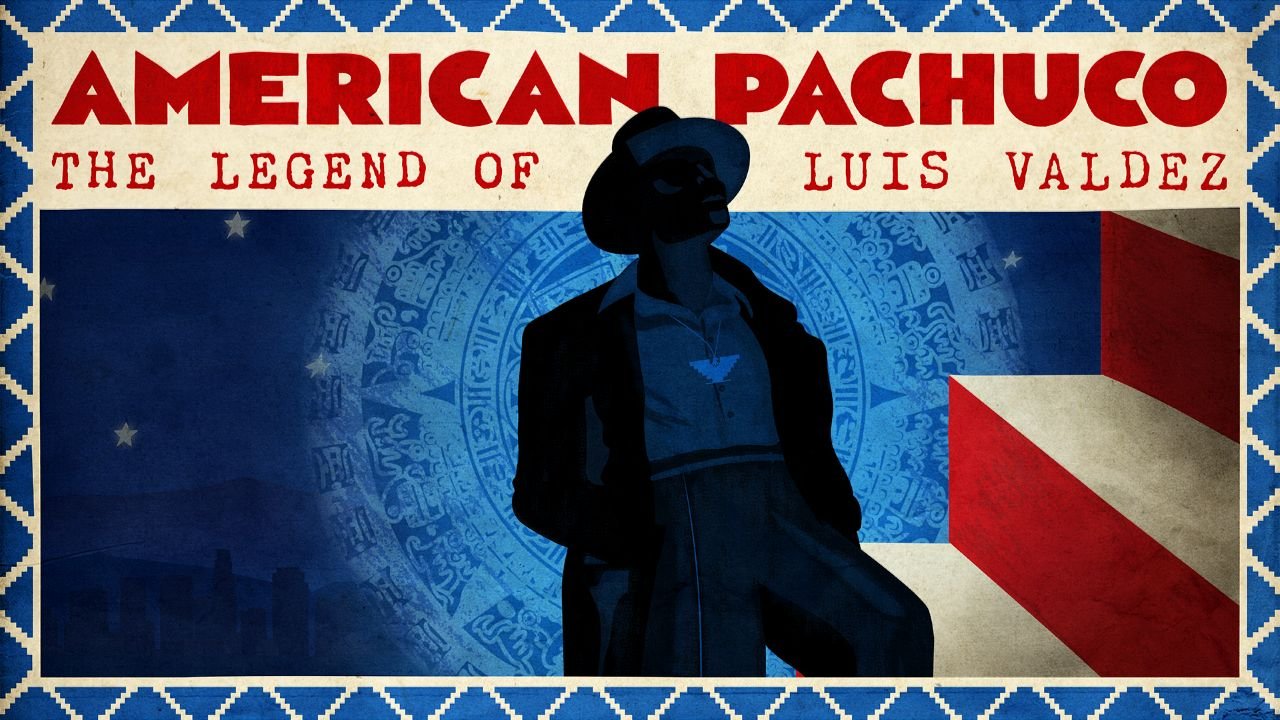
American Pachuco Celebrates the Extraordinary Legacy of Luis Valdez
by Rachel Wagner
One of my favorite parts about watching documentary films is becoming aware of influential and exciting people that had escaped my notice. Such was my experience getting to watch American Pachuco: The Legend of Luis Vadez at this year’s Sundance Film Festival.
The film tells the story of playwright and director Luis Valdez and his impact on in particular Chicano culture and artistry. It went on to win the US Documentary Audience Award and the Festival Favorite Award so you could say it was a festival darling. It also is a rare film to achieve a 100% rating on the rotten tomatoes critic aggregate site.
Currently American Pachuco is available to watch in theaters in some markets and it will be a part of the American Masters series on PBS later this Fall. Recently I had the chance to talk with the film’s director David Alvarado and it was fascinating to learn about his process as a documentarian and the experience he had chronicling someone as dynamic as Valdez.
Alvarado was drawn to profile Valdez because of his own Mexican background and the way that La Bamba spoke to him as a youth:
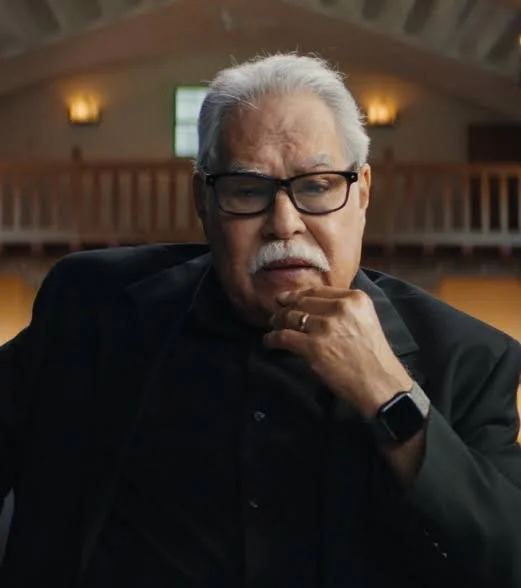
Luis Valdez
“One of the films my sister and I returned to most was La Bamba. We rented it from Blockbuster again and again, watching Ritchie Valens become a star and break our hearts every single time. We didn't know the name Luis Valdez then. We didn't know that the man who wrote and directed that film had spent his life insisting that people like us belonged on the screen at all. We only knew that, for two hours, we got to see a family that looked like ours treated like it mattered.”
Before he directed La Bamba Valdez made his impact as a playwright. His early projects were using comedic skits to advocate for the Chicano experience:
“He would put farmworkers, non-actors, on the back of a flatbed truck and drive them around the California countryside and do performances to try and get other farmworkers to join the strike. It was this theatre that would actually activate people to join a cause.”
Alvarado spoke to me about the power of humor and how through these skits Valdez was able to convey powerful political activism while making people laugh and enjoy themselves. He would then go on to write the book for the groundbreaking musical Zoot Suit, which was the first Chicano musical to premiere on Broadway in 1979. In the documentary, Alvarado talks to the stars of Zoot Suit, like Edward James Olmos, who also narrates the film. The power of getting to share their experience with the world and be seen is clear in all who worked on the project:
“Their crime was simply wearing a zoot suit, a silhouette that announced you would not be invisible. The police arrested the victims. The press called it a cleanup. Decades later, Luis Valdez refused to let that verdict stand. His 1978 play Zoot Suit dramatized those riots and became the first Chicano play to reach Broadway, turning a story of humiliation into one of defiance.”
Then Valdez would go on to direct and write more plays and films including the aforementioned La Bamba. For Alvarado, this story is more important now than ever before:
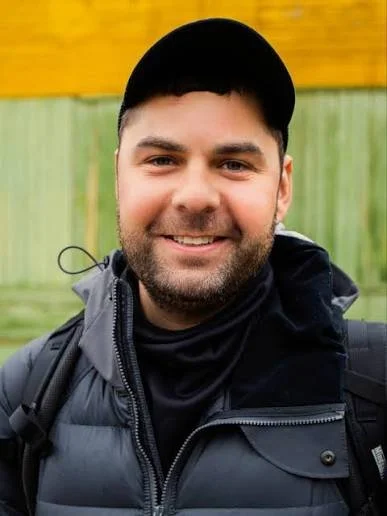
David Alvarado
“We are now at a critical time in US history where we are starting to ask ourselves again who belongs in America and for Luis Valdez his entire career has been based on the idea that if anybody belongs in America Chicanos belong here.”
As I said, this documentary will be available to watch on PBS this Fall, but Alvarado hopes you will have the same experience that myself and others had at Sundance to see this wonderful documentary in the theaters:
“What I most want is for Latino audiences to walk into a movie theater, sit down together in the dark, and feel that sense of belonging arrive in the same room at the same moment. If that happens, even once, then the film will have done what it was made to do. So we built it for that room. We did not make this film for a phone.”
I know I’m certainly grateful I had the chance to see this entertaining and enlightening documentary in a theater. If it is playing near you, it is well worth your time.